V C Balakrishnan – CC BY-SA 4.0 – Wikimedia CommonsA. J. T. Johnsingh, WWF-India and NCF – CC BY-SA 4.0 – Wikimedia CommonsHaneesh K M – CC BY-SA 4.0 – Wikimedia Commons
General Info – Wood Apple, Elephant Apple, Monkey Fruit
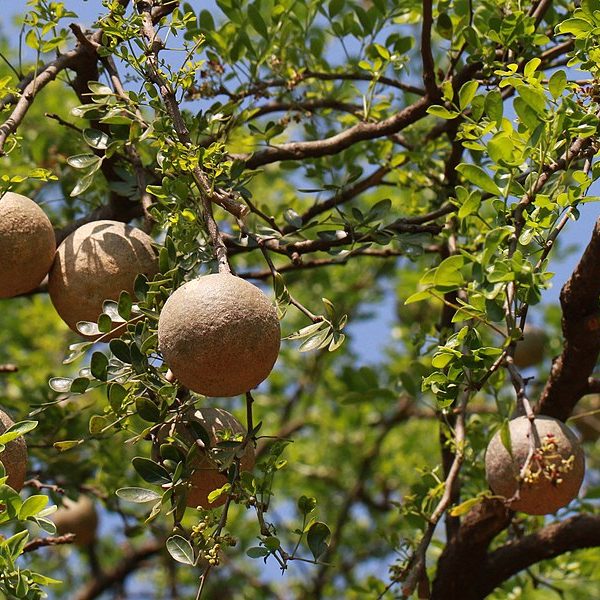
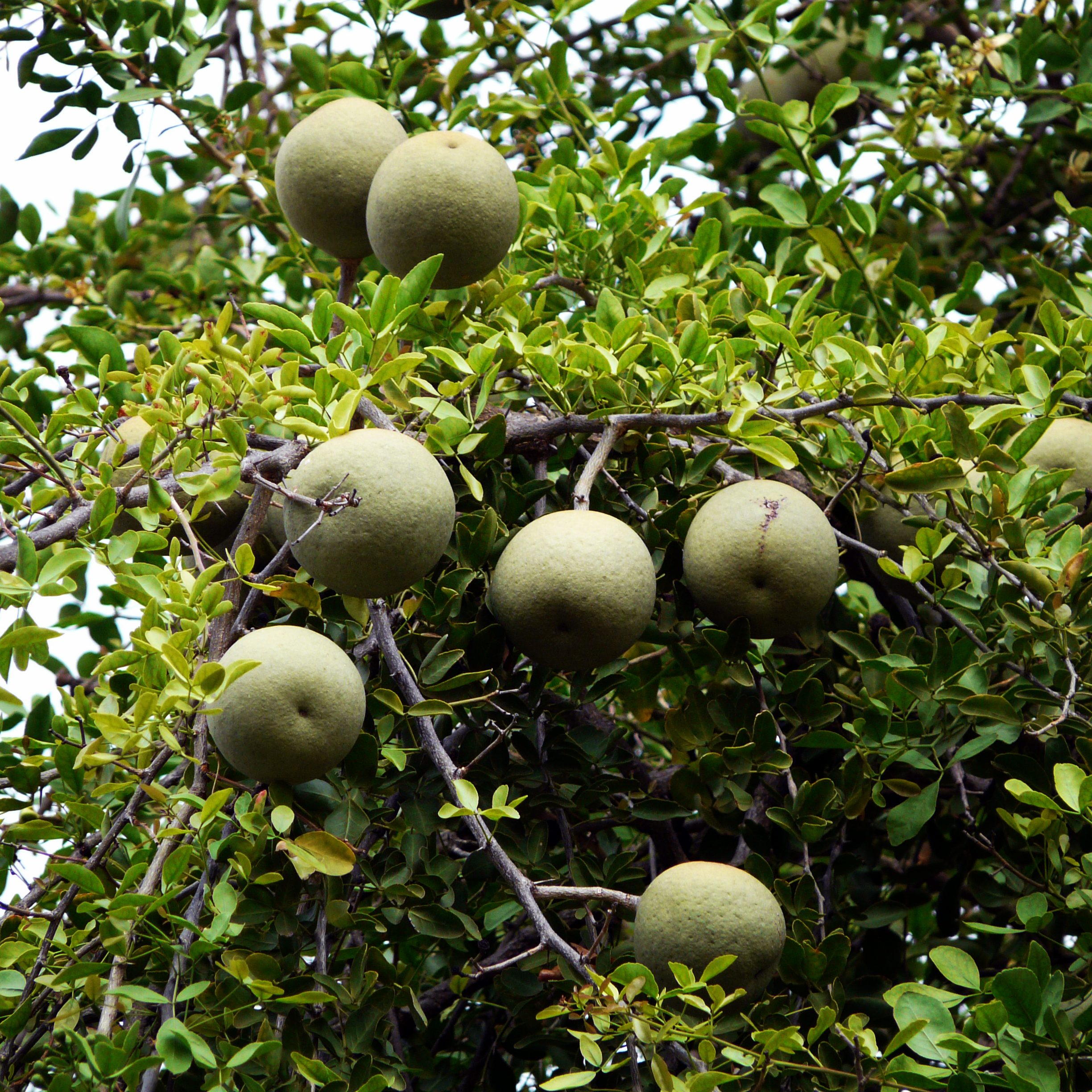
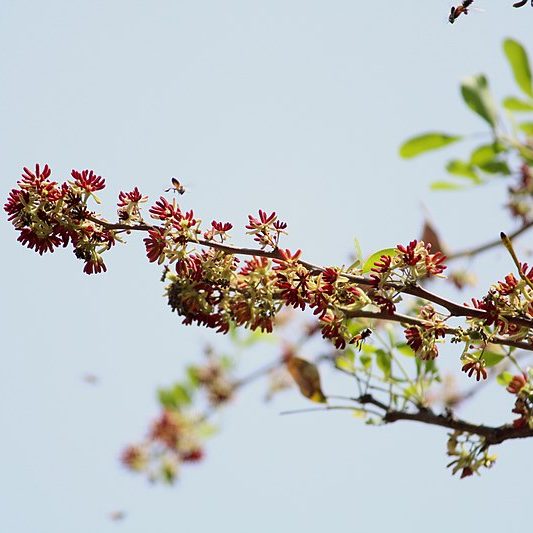
Perfectly suited to the harsh rigours of monsoonal climates, the Elephant Apple tree is a resilient, low-maintenance marvel, bearing distinct fruit. Unassuming in appearance, the spherical fruits of the Elephant Apple can reach sizes of up to 10cm in diameter. Encased within a tough, dense rind that often requires a tool, such as a hammer, to crack open, lies a dark brown pulp within. Despite its outwardly unremarkable appearance, the Elephant Apple’s inner pulp, though coarse, holds a surprising aromatic and acidic flavour reminiscent of Tamarind and Raisin. It is best enjoyed sweetened and incorporated into various culinary delights, although particularly sweet specimens can be savoured raw. When combined with sugar and Coconut milk, the pulp transforms into a delectable beverage, or it can be used to create chutneys or jams, showcasing its versatility in South Asian cuisine. Pectin rich and a good source of protein, iron, calcium and vitamins, Elephant Apple Native to the monsoonal tropics and subtropics of South Asia, the Elephant Apple demonstrates resilience to harsh conditions, including prolonged dry spells and infertile, acidic soils. It thrives best in full sun positions with well-draining, moisture-retentive loam soil in tropical climates. An annual rainfall exceeding 800mm is necessary, although it may be concentrated within a notably distinct wet season. Patience is required as Elephant Apples are slow to mature, with seedlings sometimes taking up to 15 years to bear fruit. Resembling the rugged beauty of its native environment, Elephant Apple trees boast thorny branches, rough grey bark, and small, leathery green leaves that shed during particularly harsh dry spells. Despite its minimalist appearance, the tree blooms with diminutive yet stunning cream-coloured flowers with red-tipped petals and stamens. Reaching heights of up to 20m, the Elephant Apple tree has an erect form, with its outward branches gracefully drooping. Offering a distinctive taste of South Asian cuisine and adapting well to subtropical and tropical gardens, the Elephant Apple tree seamlessly integrates with the seasonal rhythms of its environment.
Please reach out to us (Contact & Socials) if you come across any broken links, incorrect details, or if you represent an online nursery that sells the products mentioned above.

 Hortiforum