General Info – Santol, Sentul, Kechapi, Cotton Fruit
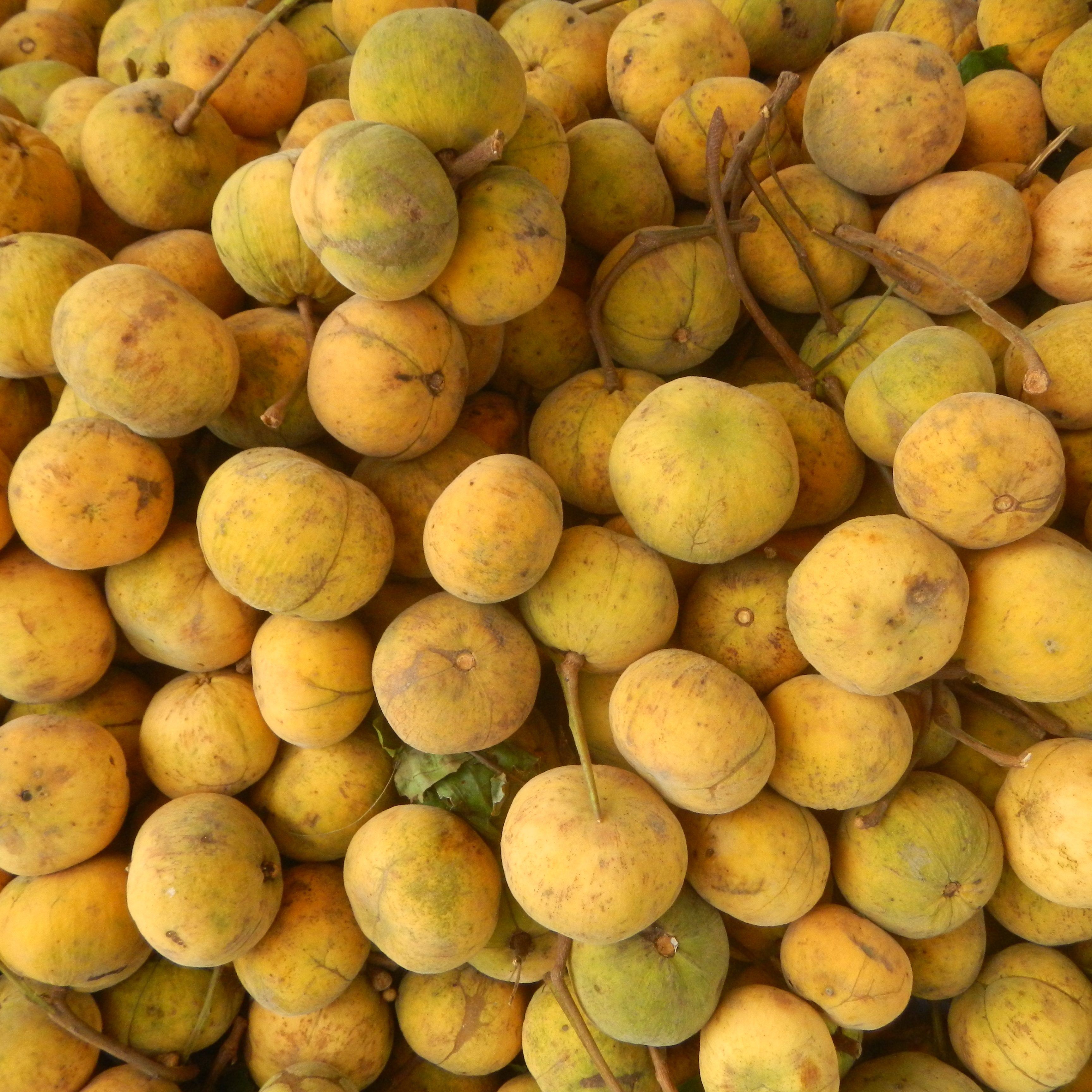
An excellent opportunity to grow an authentic taste of Fillipino cuisine, the Santol is an imposing, vigorous tree native to the monsoonal tropics. Widely celebrated across Southeast Asia, Santol fruits are prized for their delicious pulp and versatile rind. Resembling Apples in size, these fruits boast a velvety, thick yellow skin with a whitish, flavourful pulp encircling the inedible seeds. The Santol’s pulp ranges from vibrantly acidic to pleasantly sub-acid and exquisitely sweet, imbued with the flavours of Citrus, Peach, Apple, and Cotton Candy. For lovers of savoury delights, Santol can be pickled or incorporated into spicy salads, while for those with a sweet tooth, it can be transformed into delectable jams or preserves. The grated rind of the fruits is used to create the Filipino delicacy Sinantolan, together with Coconut Milk, Chilies, and Pork. Santol trees thrive vigorously in tropical climates with pronounced dry seasons such as monsoonal or wet and dry climates. These plants fare well in climates with dry seasons, tolerating rainfall as low as 1000mm in humid, tropical conditions. Although flourishing most abundantly in tropical settings, Santol trees will also fruit in subtropical regions, albeit with smaller, more compact plants that may shed leaves during cooler periods. Young plants require protection from freezing temperatures, whereas mature specimens can withstand brief episodes of light frost. Santol favour slightly acidic-neutral, fertile soils, however, they do not demand high fertility and will grow well in a range of loam soils provided they are well-drained. Santol belong to the Meliaceae family alongside the Neem Tree and Langsat. These majestic trees can swiftly reach heights of up to 50m, boasting buttressed roots, straight trunks, and slender crowns, making them ideal as canopy trees providing shade and shelter for other fruiting trees. Their elliptic leaves, glossy above and hairy below, feature sunken veins and transition through beautiful hues of yellow or red when deciduous. Panicles of small, green-whitish flowers wil emerge from young shoots and are self-fertile. A captivating tropical specimens with unique dynamic fruits, the Santol is well worth trying in any spacious tropical garden.
Please reach out to us (Contact & Socials) if you come across any broken links, incorrect details, or if you represent an online nursery that sells the products mentioned above.


 Hortiforum