John Robert McPherson – CC BY-SA 4.0 – Wikimedia CommonsPeter Woodard – CC BY-SA 4.0 – Wikimedia Commons
General Info – Sandpaper Fig, Creek Sandpaper Fig
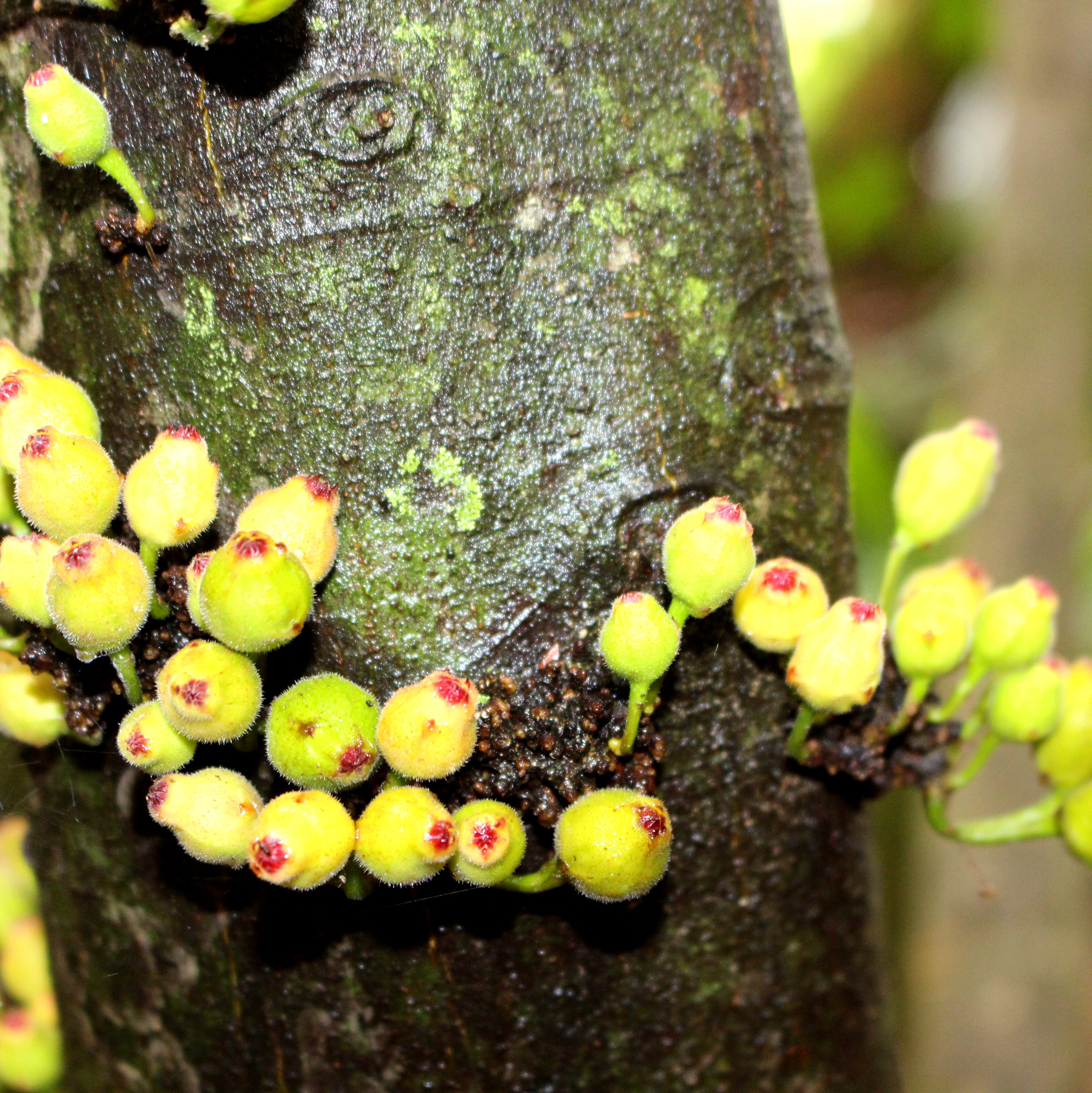
Often considered the best tasting native Australian Fig with its sweet rich taste similar to normal Figs (Ficus Carica). The very sweet fruit mature to an attractive dark puple and can be eaten fresh (though their hairy skin is best peeled before eating), dried or processed into preserves such as jellies and jams or baked into pies, cakes or biscuits. The Sandpaper Fig is known for its rough, evergreen leaves, which have a sandpaper-like texture that gives the tree its name. It can range in size from a small tree around 3m tall to a medium-sized tree up to 15m tall and 5m wide. The tree has a dark brown trunk, weeping growth habit, and hairy branches. It grows densely in full sun, and in terms of flowering, it is both cauliflorous (fruiting from the main branches and stems) and also produces fruit along the axils of the leaves. Like all native figs, the Sandpaper Fig is an excellent food source for birds and is an ideal choice for gardeners wanting to attract native wildlife, such as the Green Catbird and Topknot Pigeon. Natively found along the banks of creeks and rivers in the temperate to subtropical forests of Australia’s eastern coast, the Sandpaper Fig grows from Mackay in Queensland down to the Northern Gippsland coast of Victoria. It is a hardy and adaptable species, tolerating poor soils, heavy pruning, and cold temperatures once established. The tree prefers well-draining soil and is suited to sandy soils, although it thrives with consistent moisture, particularly during fruiting to keep the fruit succulent. While it can withstand drought once established, it benefits from regular watering during dry periods. The Sandpaper Fig tolerates partial shade to full sun, as long as it is not in an exposed position. This species is ideal for renaturalising and stabilising riparian habitats, especially where stream bank stabilisation is needed. Cold-hardy and frost-tolerant once mature, the Sandpaper Fig can be more vulnerable to cool temperatures when young. Its root system is relatively small compared to other fig species, which may give it less wind tolerance than other figs.
Please reach out to us (Contact & Socials) if you come across any broken links, incorrect details, or if you represent an online nursery that sells the products mentioned above.


 Hortiforum