Maxime Laterreur – CC BY-SA 4.0 – Wikimedia CommonsEnrico Blasutto – CC BY-SA 4.0 – Wikimedia Commons
General Info – Raspberries
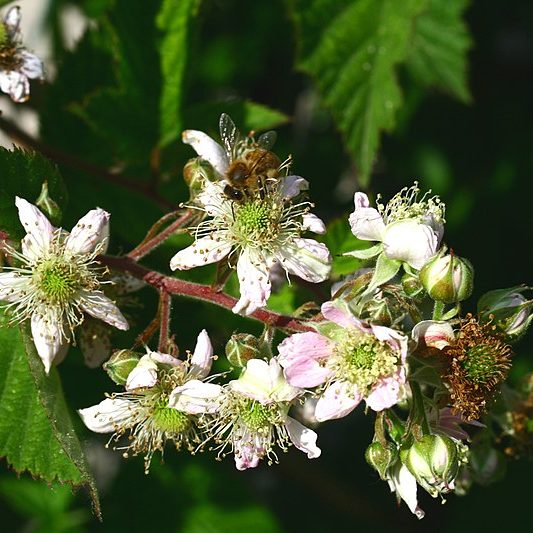
Fresh, home-grown raspberries offer an unparalleled delight, and with careful selection of variety, they can be savoured from summer well into autumn. Fruit With their eye-catching red hue and lusciously sweet yet tart flavour, raspberries are a true delight when grown at home. These delicate fruits require careful handling during harvest and tend to fetch a high price commercially due to their short shelf life. However, for home gardens, this is note an issue since fruits can be enjoyed fresh immediately. Raspberries freeze well and make excellent jams, compotes, or pies. Additionally, Raspberries are an excellent choice for gardeners seeking quick harvests, especially autumn-fruiting varieties which can produce in their first year. A range of varieties is available for purchase, including the vigorous ‘Chilcotin,’ which offers bountiful harvests in time for Christmas, the flavourful ‘Autumn Bliss,’ the reliable ‘Willamette’ with its juicy, dark red fruits, and the eye-catching Golden Raspberry, which produces soft and sweet berries. Growing Requirements Vigorous and productive, Raspberries are separated into two categories based on whether they fruit in the summer or autumn. Summer-fruiting varieties flower on ‘Floricanes’, the second year growth of plants, meaning that canes must be overwintered. Autumn-fruiting varieties flower on ‘Primocanes’ which are first-year canes, Autumn-fruiting varieties are easily managed as canes can be cut to the ground each year. Raspberries thrive in temperate climates, excelling in fertile, slightly-acidic, moist soils. While drainage is important to prevent root rot, Raspberrries can tolerate slightly heavier soils than other plants. Raspberries are adaptable to both full sun and part shade, however, in climates with harsh summer sun they will benefit from partial shade or filtered sun which can be achieved through positioning or the use of shade fabric. Like many other Rubus species such as Blackberries, Raspberries have a tendency to sucker, often problematically and requiring active control. This can be achieved through the growing in pots or raised beds with a impassable but well-draining bottom, another technique used is to plant Raspberries surrounded by lawn that can be easily mowed to cut down suckers. This often prolific suckering habit can also be a positive, as these suckers can be easily dug up and replanted for near effortless propagation. Appearance The long, upright canes of raspberries vary in height and thorniness depending on the variety, but all benefit significantly from a supporting structure like a wired trellis. Although raspberries naturally form clumps due to their tendency to sucker, they are best grown in rows to promote airflow and facilitate easy access for harvesting and maintenance. A delectable fruit appealing to both the eye and tastebuds, with many delicious culinary uses, Raspberries are an essential choice for berry lovers and those in temperate climates.
Please reach out to us (Contact & Socials) if you come across any broken links, incorrect details, or if you represent an online nursery that sells the products mentioned above.


 Hortiforum