
Why is it crucial to ensure that plants receive sufficient water? Can I supplement my rainfall requirements with irrigation?
Water is a vital need for plants, much like nutrition and sunlight. Without sufficient water, plants simply can’t thrive and develop to their full potential. A plant that receives the optimal amount of water, whether through rainfall, irrigation, or access to groundwater, will be the healthiest. A robust and healthy plant is better equipped to withstand extremes of temperature, resist pests and diseases, and adapt to challenging conditions such as heat, cold, and wind. Plants that receive their required water levels will bloom profusely and yield abundant crops of high-quality, juicy fruit. Conversely, in the absence of adequate water, plants may experience poor flowering and drop developing fruits as a survival mechanism to conserve water.
Rainfall needs can be supplemented through irrigation, a practice commonly employed in agriculture. However, gardeners must be mindful of the water source, as some bore water may have an unfavorable pH (either acidic or alkaline) or could contain elevated levels of toxic nutrients such as salt, iron, calcium, or magnesium. Tap water can have levels of fluoride or chlorine that is problematic for plant health. For gardeners, an ideal solution is to collect rainwater in a tank, enabling the storage and subsequent use of excess rainfall. This ensures a reliable and suitable water supply for their gardening needs.
How can plants be assisted in adapting to reduced rainfall?
While additional rainfall can supplement water needs in gardens, it’s highly beneficial for gardeners to adopt best practices to ensure effective retention and accessibility of water for plants. This is applicable throughout all climates but especially important in arid or drought-prone climates.
One essential practice is mulching, offering innumerable benefits that make it invaluable for gardeners. Mulching is an excellent practice suitable for any conditions and should be a mandatory first step for gardeners facing harsh conditions. Here are five remarkable advantages for plants:
- Enhanced Soil Moisture Retention: Mulching significantly improves the retention of soil moisture by acting as a protective top layer, insulating soils from drying elements such as searing heat or scorching winds.
- Organic Matter Addition: Organic mulches, particularly wood chips, gradually decompose over time, not only providing some nutrition but also enhancing the soil structure through adding organic matter. Soils rich in organic matter drain freely while retaining moisture effectively.
- Erosion Prevention: Mulching plays a vital role in preventing the erosion of valuable topsoil. During severe rain, it reduces erosive effects, and during droughts, it ensures the soil remains moist and resistant to erosion in extreme heat and wind.
- Hydrophobic Soil Prevention: By preventing soils from drying out, mulch prevents them from becoming hydrophobic.
- Weed Suppression: Mulching suppresses weeds from taking root or sprouting, preventing them from drawing valuable moisture and nutrition and competing with cultivated plants.
Providing plants with proper nutrition and favorable conditions significantly improves their adaptability. Placing sensitive plants in sheltered positions, such as behind a hedge will protect them from hot, drying winds. Where scorching sun is a concern, providing shade through partial shade or filtered sunlight, minimises stress.
Ensuring a good-quality soil with adequate nutrition and structure enhances overall plant health and soil moisture retention. A well-aerated, friable soil promotes the development of deep taproots for water storage and access, while encouraging an extensive feeder root system to search for nutrition and water.
Does the rainfall pattern matter?
Rainfall patterns vary greatly across the world’s climates, leading to the evolution of fruit trees that have adapted to thrive in specific rainfall conditions. While some climates experience a relatively even distribution of rainfall throughout the year, others, like the Mediterranean and Tropical Monsoonal/Savanna climates, experience distinct seasonal variations. For a drought prone, tropical climate, consider the following selection of plants – Drought Hardy Tropicals.
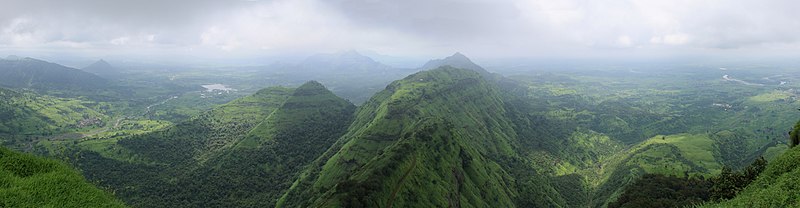
In Tropical Monsoonal or Savanna climates, the absence of distinct winters and summers is replaced by distinct wet and dry seasons. These seasonal changes play a crucial role in signaling plants to enter and emerge from dormancy and initiate blooming. Without these distinct periods, plants may lack the necessary signals to enter or exit dormancy. Moreover, during the fruiting period, the reduced rainfall in dry seasons may adversely affect plant productivity.
Mediterranean Climates, such as cities like Perth or Adelaide, are characterised by wet winters and dry summers. In contrast, Humid Subtropical climates, as seen in cities like Sydney or Brisbane, may have comparable mean temperatures but experience wet, humid summers and relatively drier winters. While overall temperatures may be similar, the distribution of rainfall can significantly impact plant health and fruiting for Mediterranean fruit trees. Firstly, many Mediterranean fruit trees yield the highest quality fruits during dry summer conditions. Figs, in particular, become a delight with a jam-like flesh as sweet as honey. Secondly, Mediterranean natives may struggle with pests and diseases during wet, humid summers, posing a challenge for plants like the European Grape (though suitable cultivars do exist).
Western Ghats – Dry Season (28 May)

Western Ghats – Wet Season (28 August)
 Hortiforum