
What are the different pollination requirements?
Pollination requirements vary considerably across species but can be broadly categorised into two types:
- Self-Pollinating Plants: In this category, flowers are fertilised by pollen from the same plant. This process may occur through autogamy, where pollen fertilizes the stigma of the same flower, or through geitonogamy, where pollen is transferred between different flowers of the same plant for fertilisation. Geitonogamy may be necessary due to either self-incompatibility of individual flowers or the presence of separate male and female flowers on the same tree (as observed in hermaphroditic trees). Self-pollination is often the most practical pollination requirement for home cultivation due to only requiring one plant. Additionally, efforts have been made to select and cultivate self-pollinating varieties of fruit trees traditionally requiring cross-pollination, such as Feijoa, Carob or Almond.
- Cross-Pollinating Plants: Cross-pollination requires two plants of the same species, wherein the pollen from one flower is transferred to the flower of another separate plant in the same species. Where pollen must be delivered from one flower to the stigma of another plant of the same species. Cross-pollination may be necessary due to self-incompatibility in plants or the dioecious nature of certain plants, which produce male and female flowers on separate plants (as seen in Kiwifruit and Pistachio). In these cases, multiple plants are required to ensure pollination.
While the above broad categories are accurate for many plant species, pollination requirements can vary among species, with different levels of self-pollination and cross-pollination observed. Many plants exhibit a natural level of self-pollination leading to fruit set; however, cross-pollination can greatly improve pollination and enhance fruit set significantly. For some species, the absence of cross-pollination will result in seedless plants, while cross-pollination will create seedy fruits, this has been observed with Wampees and Mandarins.
What are the different methods of pollination?
Pollination occurs through two different methods, seperated by nature of the pollinator.
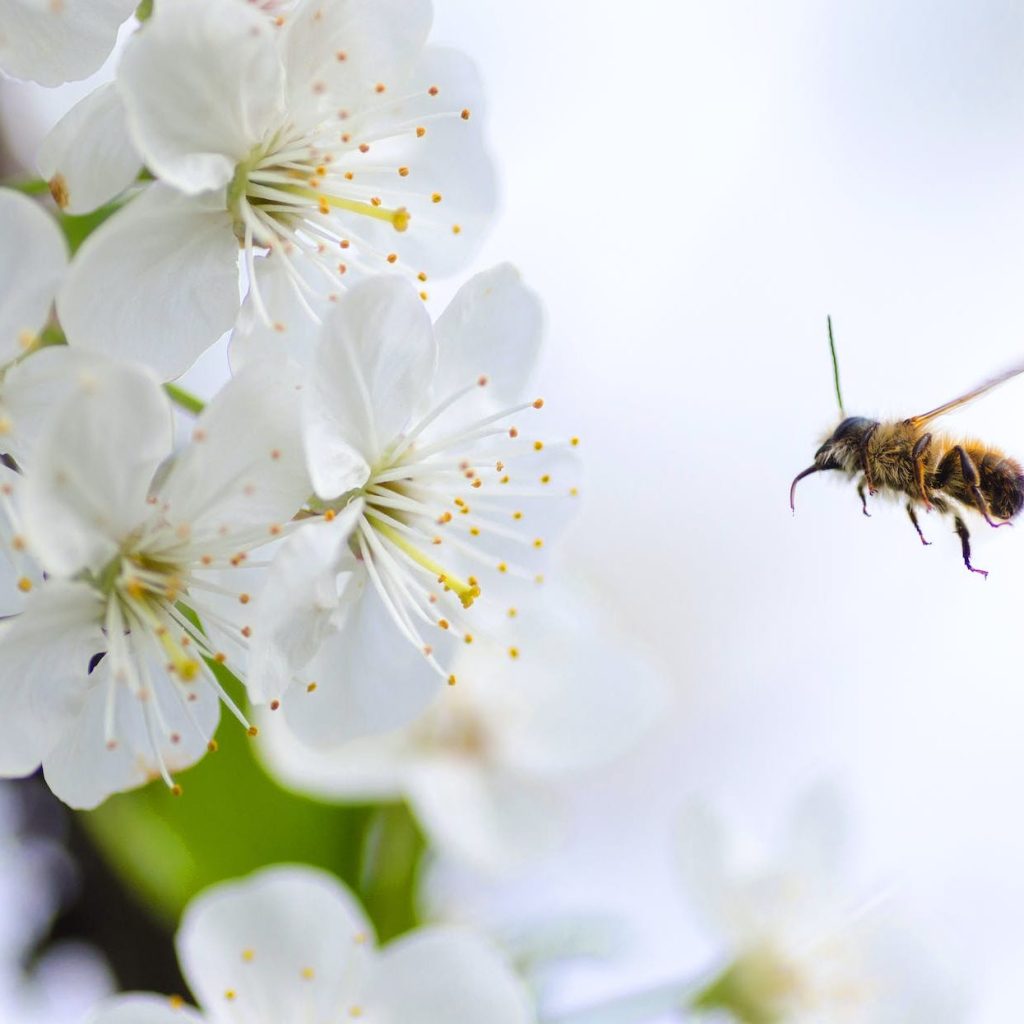
The first is Biotic Pollination, involving living pollinators such as insects (like bees, moths, and beetles) or animals (such as bats, honeyeaters, and hummingbirds). Plants have often evolved to attract specific pollinators, producing flowers of varying colours, scents and bloom times. Bee-pollinated flowers often feature bright colors and enticing scents, while bird-pollinated flowers are similarly vibrant and notably nectar-rich. Plants pollinated by moths and bats, such as the Dragon Fruit, bloom at night or dusk when their pollinators are active. Flies and beetles also play crucial roles as pollinators, with certain fruit trees, like the North American Paw Paw, producing flowers with scents resembling rotting meat to attract these insects.
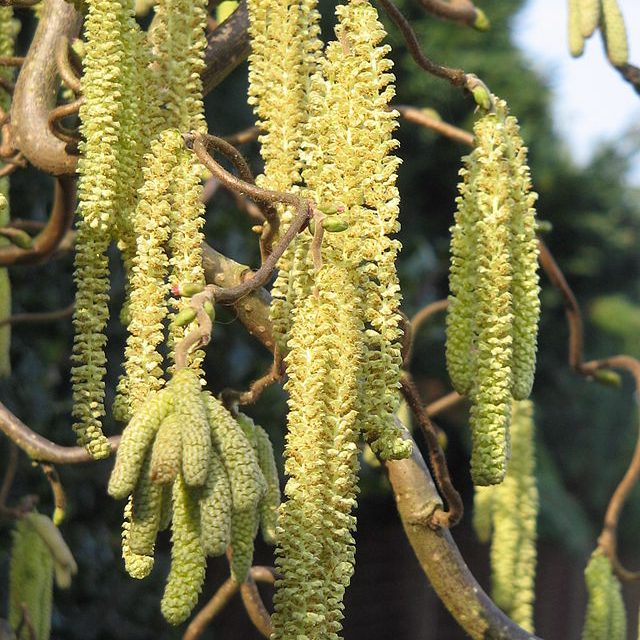
The second method of pollination is abiotic pollination, relying on non-living methods, overwhelmingly wind pollination. Wind-pollinated flowers are often inconspicuous, featuring little nectar but abundant pollen to compensate for the lack of precision in the pollination process.
Prunus Flowers – Pollinated by Bees
Hazelnut Flowers – Pollinated by Wind
How can I improve pollination in my garden?
Enhancing pollination in your garden can be achieved by cultivating a diverse array of flowers throughout the seasons and creating suitable habitats for a variety of pollinators. Well-known native plants, including Grevillias, Banksias, Callistemons, Leptospermums, Westringias, and Xerochrysums, can attract an abundance of pollinators and beneficial insects. Smaller options like Lavenders, Calendulas, Coneflowers, Salvias, and Daisies can also be interspersed throughout the garden to both attract pollinators and enhance the garden’s ornamental beauty.
Beyond providing a continuous supply of food throughout the year, gardeners can develop habitats for pollinators. This extends beyond simply maintaining a honey bee hive; gardeners can easily support native bees by creating simple homemade designs (as demonstrated in these Gardening Australia videos). Alternatively, investing in a hive of Stingless Native Bees can further diversify the range of pollinators and contribute to the overall health and vibrancy of the garden.
Make a native bee hotel and attract native bees into your garden
Give native bees a home in your garden with these easy DIY bee hotels
 Hortiforum