General Info – Pangium, Football Fruit, Pangi, Keluak, Kepayang
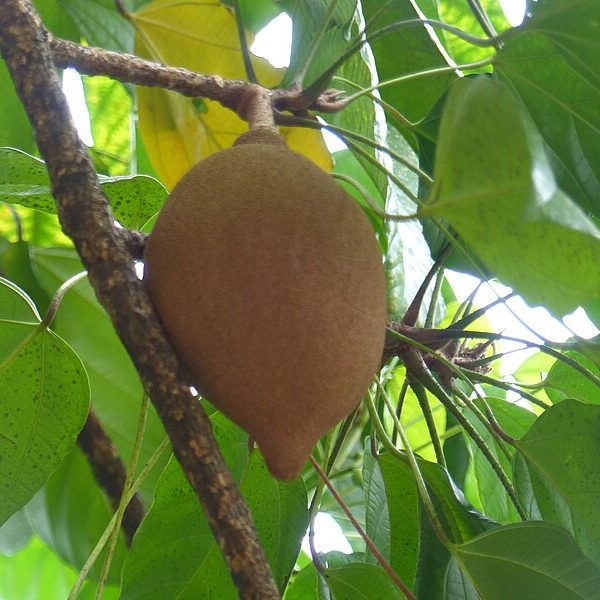
A treasured, authentic ingredient of Southeast Asian cuisine, cultivating Pangium allows gardeners to enjoy the essence of many beloved dishes, such as Nasi Rawon and Ayam Buah Keluak. Pangium fruits grow to a substantial size, reaching up to 30 cm in length with a round shape, making them resemble a football and earning them the common name “Football Fruit”. They are ripe when they are soft to the touch, with the yellow pulp offering a sweet, aromatic, tropical flavour, sometimes likened to Durian. The flesh is delicious fresh but can also be made into a jam with Coconut milk. Within each fruits are multiple large seeds, which once processed and edible, become a superb, flavourful ingredient. In their raw, unproccessed state they contain high levels of Cyanogenic Glycoside within is highly toxic. Seeds must be extensively leached or fermented for them to become edible, this is done through multiple steps of boiling, soaking in water for up to a week (changing water daily) or through burying in ash for 40 days. The kernel is scooped out of the hard nuts once cracked open and turned into a paste, with the empty shells able to be filled with stuffing. Deeply flavourful and savoury, the flavour profile is likened to Almonds, Cacao, black Olives, truffles, or a rich soy sauce. This paste is a beloved spice for flavouring, essential for dishes such as the Peranakan chicken curry Ayam Buah Keluak, the Indonesian beef stew Nasi Rawon, or a simple Keluak fried rice. (See linked videos for recipes). Pangium are native to the humid lowlands of the Southeast Asian tropics, thriving in rainforests and along riverbanks. They prefer slightly acidic, fertile loam soil that is well-draining and can tolerate both full sun and partial shade. Native to rainforest or monsoonal climates, Pangium thrive with plentiful rainfall and grow rapidly in their early years. They are largely dioecious, meaning male and female flowers grow on separate plants, both of which are required for successful pollination and fruit set. Pangium form towering specimens, reaching heights of up to 40-50m tall, making them unsuitable for small backyards. Plants have large, glossy, heart-shaped leaves that are ornamental in appearance. Pangium large, heavy fruits similar to Bunya Nuts or Coconuts, which can be hazardous when falling and should not be planted along walkways accordingly. Like the Ackee, Pangium must be carefully prepared and enjoyed, however, it offers a unique and delightful savoury flavour that gardeners can grow in their own tropical backyards.
Please reach out to us (Contact & Socials) if you come across any broken links, incorrect details, or if you represent an online nursery that sells the products mentioned above.


 Hortiforum