
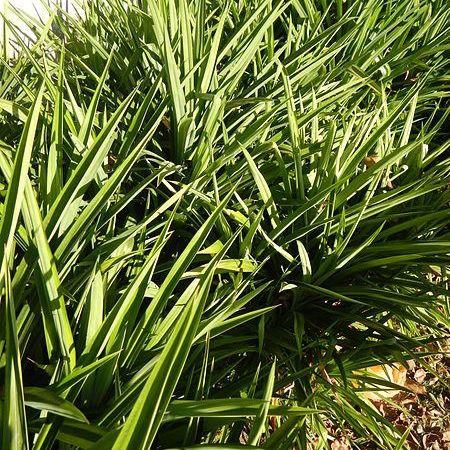
General Info – Pandanus, Pandan
The alluring aroma of South East Asian cuisine is embodied by the fresh and invigorating scent of Pandanus.
Widely utilised in South East Asian and South Asian cuisines, Pandanus adds a unique tropical flavour reminiscent of a delightful blend of Vanilla, Coconut, and subtly refreshing grassiness. Fragrant, tender leaves can be utilised whole to infuse rice with their aroma, steeped in teas, or employed as wrapping for both sweet and savoury dishes. However, it is more common to extract Pandan juice/essence from the leaves, this extract is well-suited to a range of dishes and goes particularly well with Coconut. Its essence enriches sweet dishes, infusing desserts and culinary creations like the famous Pandan Cake with its vibrant flavour and colour extracted from the leaves’ juice. Pandan extract is used to flavour and colour the Filipino Buko Pandan which is a salad dessert of young coconut and sweetened cream, it also flavours and colours the Indonesian Dadar Gulung which is a traditional sweet coconut pancake. Any enthusiast of South East Asian desserts would greatly appreciate the vibrant colouring and aromatic flavour that a Pandan plant can impart.
This versatile plant thrives not only in the tropical regions of Australia but also in cooler climates with proper winter protection. Originating from the humid tropics of Asia, the Pandanus flourishes in the heat and rainfall of tropical to warm subtropical environments. However, even those in cooler climates can enjoy the benefits of Pandanus by cultivating it in a greenhouse or a warm, sunlit indoor area.
While native to the lowland tropics of South East Asia, Pandanus thrives best in consistently warm temperatures and may struggle with cooler climates. Nevertheless, its adaptable size allows for indoor cultivation during colder months, or ideally in a greenhouse for continual growth. Thriving in both full sun and partial shade, Pandanus plants demand excellent drainage, especially in cooler environments. Pandanus can be easily maintained at a manageable size through regular harvesting of the cherished, fragrant leaves. Regular picking of leaves combines both pruning and harvesting, similar to harvesting Bay Leaf or Curry Leaf.
Whether grown as a small tree or a compact shrub for both practical and ornamental purposes, Pandanus forms a neat, evergreen presence in any space. Regular leaf harvesting ensures its compactness and prevents the development of a prominent trunk. Pandanus can reach heights of up to 3-4m but most commonly remains below 2m where its strappy leaves are easily harvestable. Pandanus Amaryllifolius is a sterile cultigen that has been long cultivated in Indonesia and will only rarely produce male flowers. Plants can be propagated through cuttings.
With its divine fragrance and distinctive flavour, Pandanus stands as an excellent choice for those seeking an authentic and exotic culinary ingredient.
Plant Profile/Properties
| Preferred Climate(s) (info) | Tropical |
| Marginal Climate(s) | Subtropical |
| Cold Tolerance when Mature (info) | No (8) |
| Rainfall (info) | Medium |
| Pot Suitability | Yes |
| Sun/Shade Tolerance | Part Shade |
| Preferred Soil (info) | Perfect Drainage |
| Preferred PH (info) | Neutral (6.5-7.5) |
| Drought Tolerance | Medium |
| Wind Tolerance (info) | Medium |
| Salt Tolerance (info) | Medium |
| Pests & Diseases | No notable pests |
 Hortiforum