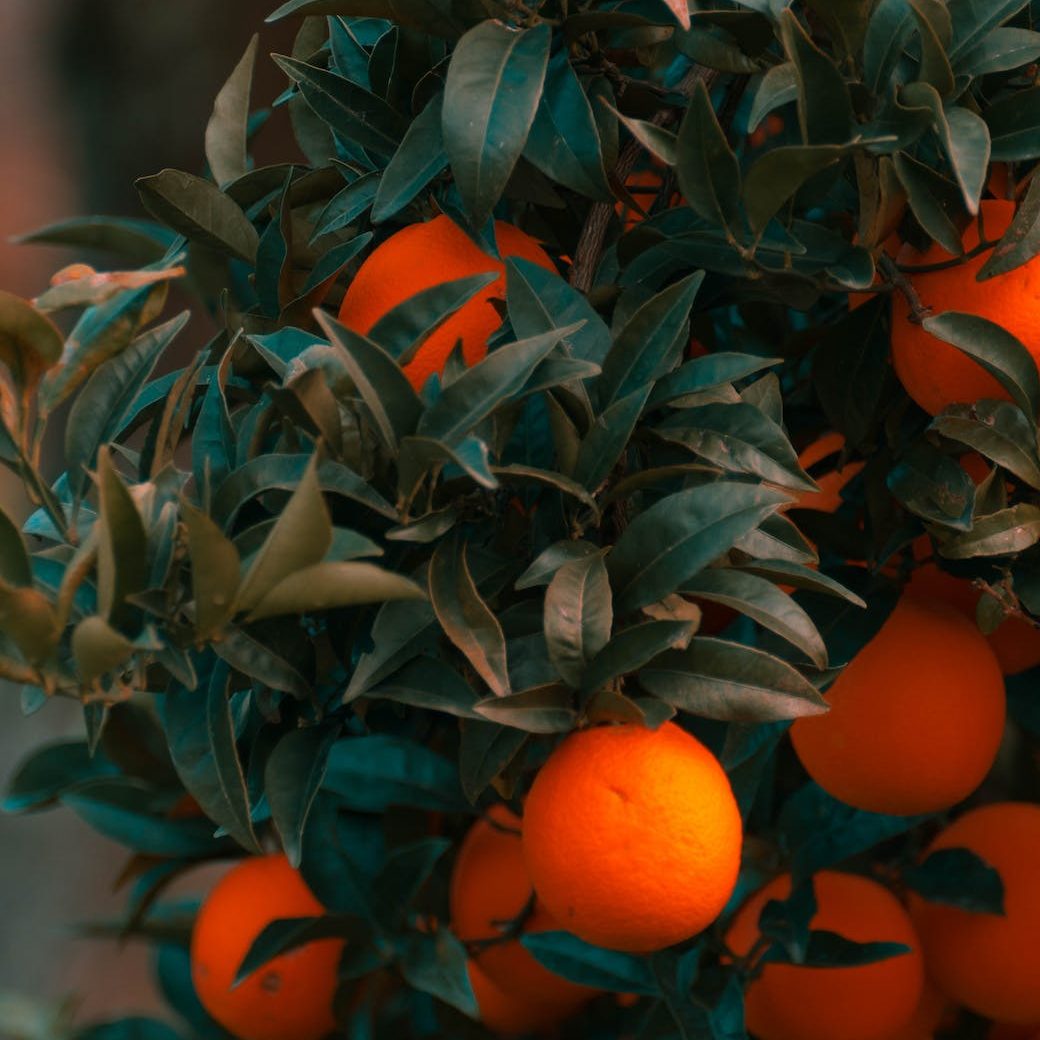
Ubiquitous across Australian backyards and a popular choice for good reason, the Orange tree produces flushes of fragrant white flowers followed by an absolute abundance of fruits. Oranges, scientifically known as Citrus x Sinensis, are among the many Citrus hybrids, including Lemons, Grapefruits, and Limes (noting the “X” in the botanical/scientific name indicates a hybrid). They result from a cross between a Mandarin and Pomelo, two original citrus species. Perfect for fresh consumption or juicing, Oranges are a valuable source of fresh fruit and Vitamin C during the cooler periods of the year, traditionally where there is a shortage of fresh fruit. Oranges are typically categorised into Navels (ideal for fresh eating), Valencias (excellent for juicing), and Blood Oranges (with a beautiful blood-like tinge to their orange flesh, creating colourful juice). With an extensive range of varieties available for all three types of oranges, supply can be extended throughout the year by planting early, mid, and late-season varieties that maximise harvest periods. While Oranges are notable in having a color named after them, in tropical climates, gardeners may observe that fruits remain green-skinned due to warm night temperatures allowing green chlorophyll to persist in the skin. The flavourful orange zest can enhance a variety of dishes, including sauces, salads, pastries, or candied treats. Thanks to the hardy Trifoliata rootstock, Citrus trees tolerate challenging conditions such as heavy clay soils, cool winters, and drought. Ensuring that plants receive as much sunlight as possible, coupled with good airflow will provide ideal conditions for productivity, vibrancy & disease and pest resistance. Under these conditions, plants will exhibit a shapely form and, with ample watering, peak productivity and flavour. While well-draining, fertile, slightly acidic to neutral soils are preferable, they are not essential as long as drainage and fertility is not poor. Orange trees are suitable choices for all of Australia, particularly in warm temperate and subtropical climates. They are also excellent ornamental choices, with their waxy, dark-green, evergreen foliage and dense, rounded growth habit providing an attractive appearance year-round, contrasting beautifully against both flowers and fruit. The sight of an orange tree in full bloom is a beautiful spectacle, with the abundant fragrant, creamy-white flowers providing both a delightful scent and visual allure. These fragrant petals can be infused to create scented water, similar to rosewater. Mature orange trees on a regular Trifoliata rootstock typically stay below 4-5m, while those on a dwarf rootstock (Flying Dragon) often remain below 2m. With its culinary versatility and ornamental beauty, the Orange is an excellent first choice for any garden.
All Varieties are Grafted unless specified. Please reach out to us (Contact & Socials) if you come across any broken links, incorrect details, or if you represent an online nursery that sells the products mentioned above.


 Hortiforum