General Info – Native Tamarind, Large Leaf Tamarind
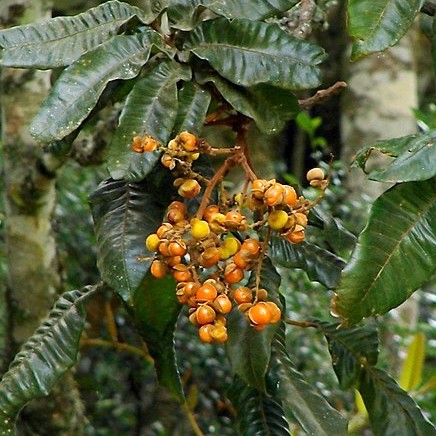
Indigenous to the rainforests along the east coast, the Native Tamarind is a slender yet captivating tree, well-suited for damp, shaded environments. Thriving in a broad spectrum of climates, from the temperate rainforests of the NSW South Coast to the subtropical-tropical rainforests of Queensland, these plants thrive in gully-like conditions. They prefer moist, well-drained soils and a location sheltered from harsh winds, intense sunlight and hard frosts. A range of well-draining soil types and most PH conditions are tolerated. Commonly referred to as the Large Leaf Tamarind due to its sizeable, pinnate leaves, this fast-growing yet delicate tree can reach heights of over 35 metres, although it typically attains a maximum height of 10-12 metres with a handsome erect form. During spring, the Native Tamarind produces hairy, cream-brown flowers that hang in abundant clusters on the terminal growth, adding a unique charm to its appearance. Native Tamarinds make an exceptional addition to any native rainforest food forest or to native gardens aiming to attract wildlife. The fruit of the Native Tamarind boasts a delightful blend of sweetness and tartness, and are a sought-after favourite of birds. Fruits take the form of yellow-brown capsules, arranged in groups of three, each containing a yellow-orange aril. These fruits can be enjoyed fresh or transformed into delectable jams, sauces, or drinks. Like its relative the Small Leaf Tamarind, the Native Tamarind is a valuable alternative to the more tropical, exotic Tamarind. Beyond its culinary appeal, the Native Tamarind serves as a distinctive addition to any garden, offering not only a tasty bushfood but also a favoured haven for wildlife. Its highly ornamental nature further enhances its value as a native gem in landscaping.
Please reach out to us (Contact & Socials) if you come across any broken links, incorrect details, or if you represent an online nursery that sells the products mentioned above.

 Hortiforum