acca – CC BY-SA 3.0 – Wikimedia CommonsCaroline Lena Becker – CC BY 3.0 – Wikimedia Commons
General Info – Naranjilla, Golden Fruit of the Andes, Lulo
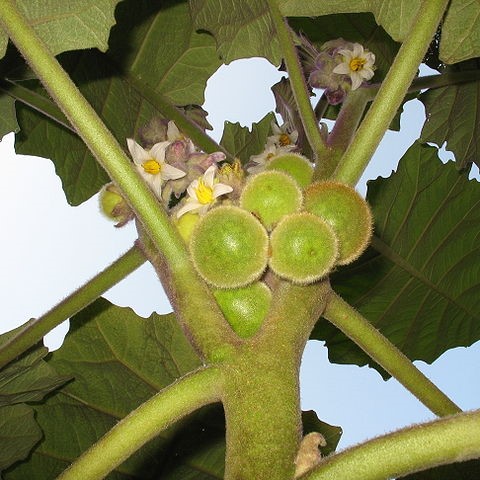
A beloved South American delicacy known for its flavourful and tangy fruit, the Naranjilla is a distinctive yet delicious plant. Its vibrant, orange fruits bear a striking resemblance to tomatoes in both shape and size, with an appearance reminiscent of Persimmons. Covered in tiny, splinter-like hairs, these fruits demand careful handling to avoid discomfort, requiring gloves to brush off the irritating hairs before consumption. Despite this minor inconvenience, the hairs serve as a formidable barrier against pesky insects such as fruit flies, offering valuable protection. Inside, the Naranjilla boasts a texture akin to a tomato, but with a more jelly-like pulp. The fruits deliver a sharp, pleasantly acidic taste, well-suited for enhancing the flavour of beverages and desserts. In terms of flavour, Naranjilla shares similarities with the Tamarillo, featuring an underlying tomato essence complemented by hints of Passionfruit, Kiwifruit, Guava, Lime and Pineapple, catering to individual preferences. Widely embraced throughout the Americas, Naranjilla finds its way into a popular drink called Luluada, crafted from sweetened Naranjilla juice and balanced with Lime. Originating from the Mountainous Andean Valleys of Tropical North-Western South America, Naranjilla exhibits specific growing requirements. Naranjilla’s species name ‘Quitoense’, means ‘from Quito’, the capital of Ecuador which is located directly on the equator but at a height of nearly 3000m. As a result, it receives consistently warm days and cool nights which are ideal for cultivating Naranjilla. Naranjilla thrive in year-round warm-mild temperatures, preferring a climate that doesn’t exceed 30 degrees Celsius, accompanied by consistent medium-high rainfall and humidity. The plant’s aversion to drought necessitates regular watering. Native to rainforest valleys and hillsides, Naranjilla flourishes in sheltered positions, displaying minimal tolerance to wind. Its growth is rapid under favourable conditions, making it an ideal choice for those seeking a unique and attractive small shrub. Naranjilla is a relatively low-maintenance plant, prefers well-drained, loamy soils but can adapt to rockier terrain with proper drainage. In cooler climates, full sun exposure is beneficial, while warmer climates call for dappled or partial shade, with increasing levels of shade as temperatures rise. Plants are intolerant of frost. Naranjilla are a member of the Solanum genus and Solanaceae family, making them related to Cocona, Pepino and Tamarilo which thrives in similar conditions (with the exception of the more tropical Cocona). Naranjilla plants boast fragrant, white, and purple-tinged flowers that contribute to their ornamental charm. The woolly leaves exhibit a distinctive webbed structure and vary in spikiness from plant to plant. The emerging foliage showcases a stunning purple, velvet hue, which gradually fades as the plants mature, leaving behind a subtle purple tinge in the veins of the large fully grown leaves. Naranjilla form a small shrub between 1-3m tall, with an erect but spreading form that is manageable. Bring the authentic taste of a South American favourite to your backyard without the need for a trip, cultivate Naranjilla and savour the fresh, genuine flavours right at home.
Please reach out to us (Contact & Socials) if you come across any broken links, incorrect details, or if you represent an online nursery that sells the products mentioned above.


 Hortiforum