General Info – Miracle Fruit, Sweet Berry, Miracle Berry
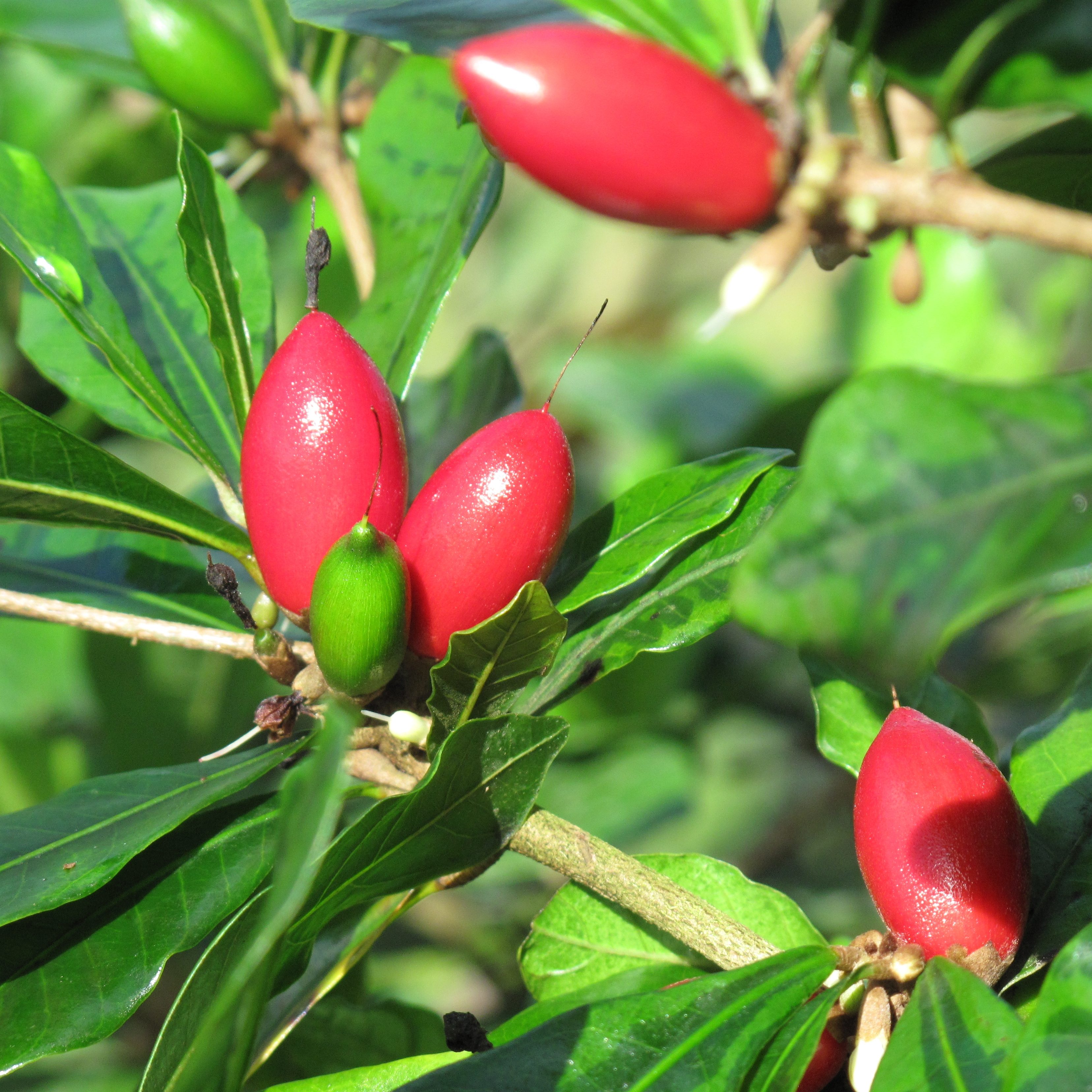
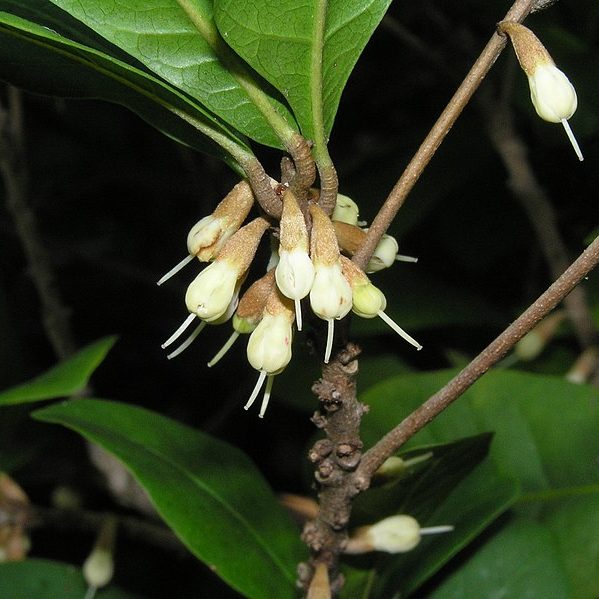
The appropriately named Miracle Fruit stands unparalleled in the fruit world, renowned for its miraculous capacity to convert sourness and bitterness into sweetness. The unremarkable small red berries, when tasted alone, are rather bland, however, the enchantment of this fruit lies in the glycoprotein Miraculin within, which binds to sweetness receptors, magically turning sour, acidic flavours such as those found in Lemons or Yellow Mangosteens into a sweet delight. For those reluctant to try it in frozen form and preferring it fresh, the Miracle Fruit proves to be a demanding yet surprisingly viable plant for many growers. Miracle Fruit are a member of the Sapotaceae family with more well-known tropical fruits such as Canistel, Abiu, Star Apple and Sapodilla. Indigenous to the authentic tropics of West Africa, the Miracle Fruit demands acidic, well-drained, moist soils while exhibiting minimal tolerance for alkalinity, salt, and waterlogged conditions, making it susceptible to chlorosis and diseases. Therefore, an acidic mix incorporating peat moss and perlite is ideal, ensuring both the ideal soil pH and proper drainage, this mix can also be used for growing Blueberries or Blackberry Jam Fruit. Miracle fruit thrive in hot, humid conditions throughout the year, yet it can tolerate cooler climates, extending as far south as coastal Sydney or Perth, provided drainage and acidity are optimal, and safeguards against freezing temperatures are in place. To achieve these conditions, cultivating Miracle Fruit in pots allows for the creation of optimal soil conditions from the start, and for plants to be strategically placed in warm environments. Miracle Fruit is notorious for its slow growth, particularly in cooler climates, yet it can develop into an ornamental shrub up to 4 metres tall under ideal conditions. Its new growth displays an attractive range from dark to pale red, while the dense mature foliage is ornamental when formed into a healthy, shapely shrub. Clusters of small white flowers may emerge throughout the year in optimal climates, maturing into fruit within a span of 4 weeks. Due to their compact size and adaptability to container cultivation, Miracle Fruit plants are well-suited for permanent placement in greenhouses or during cooler months. While not distinctive in appearance, its extraordinary use makes the Miracle Fruit a challenging yet enjoyable and highly rewarding choice for dedicated growers.
All above are seedlings. Please reach out to us (Contact & Socials) if you come across any broken links, incorrect details, or if you represent an online nursery that sells the products mentioned above.

 Hortiforum