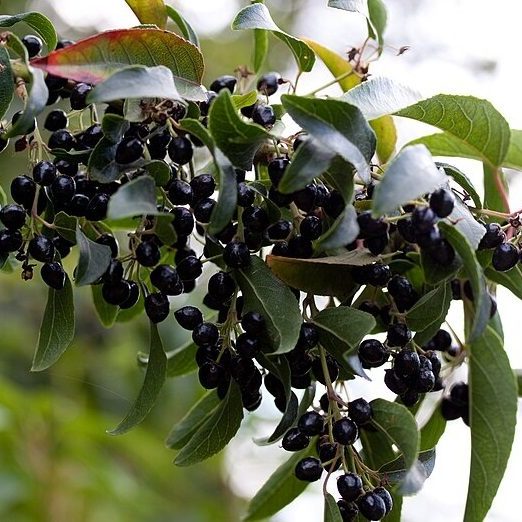
Native to the Valdivian temperate forests of Southern Chile, the Maqui Berry is one of the most exciting temperate fruits to emerge and is suitable for cultivation across much of Australia. When mature, Maqui is abundantly prolific, producing vast quantities of tiny, dark purple berries that resemble small Black Chokeberries or Elderberries. These juicy berries offer a pleasant balance of sweetness and acidity, with a slight astringency. Their flavour is often compared to Blackberry, Black Currant, or Blueberry. Their deep purple colour makes them an excellent natural food dye. Rich in antioxidants and possessing anti-inflammatory properties, Maqui is often compared to Acai for its health benefits, though it is considered much more flavourful. A delicious and healthy snack, Maqui can be enjoyed fresh, juiced, dried, or processed into wine, earning it the name Chilean Wineberry. Native to temperate South America, Maqui, along with the unrelated Luma and Chilean Guava, is an exciting cold-hardy evergreen option for temperate climates. It tolerates both full sun and partial shade, with partial shade being ideal in warmer climates with scorching summer sun. Maqui plants do not require deep soil and are often found in rocky or shallow soils naturally, with a preference for slightly acidic to neutral soil. High rainfall or plentiful watering encourages rapid growth and abundant fruiting. Maqui plants are dioecious, with separate male and female plants that require cross-pollination. Forming a small evergreen tree between 3 and 5 metres tall, the Maqui is a tidy and attractive addition to any garden. Its dark green foliage and small white flowers are ornamental.
Please reach out to us (Contact & Socials) if you come across any broken links, incorrect details, or if you represent an online nursery that sells the products mentioned above.


 Hortiforum