Steve Fitzgerald – CC BY-SA 4.0 – Wikimedia Commons
General Info – Little Gooseberry Tree, Lightwood, Sparrow’s Mango, Satinwood
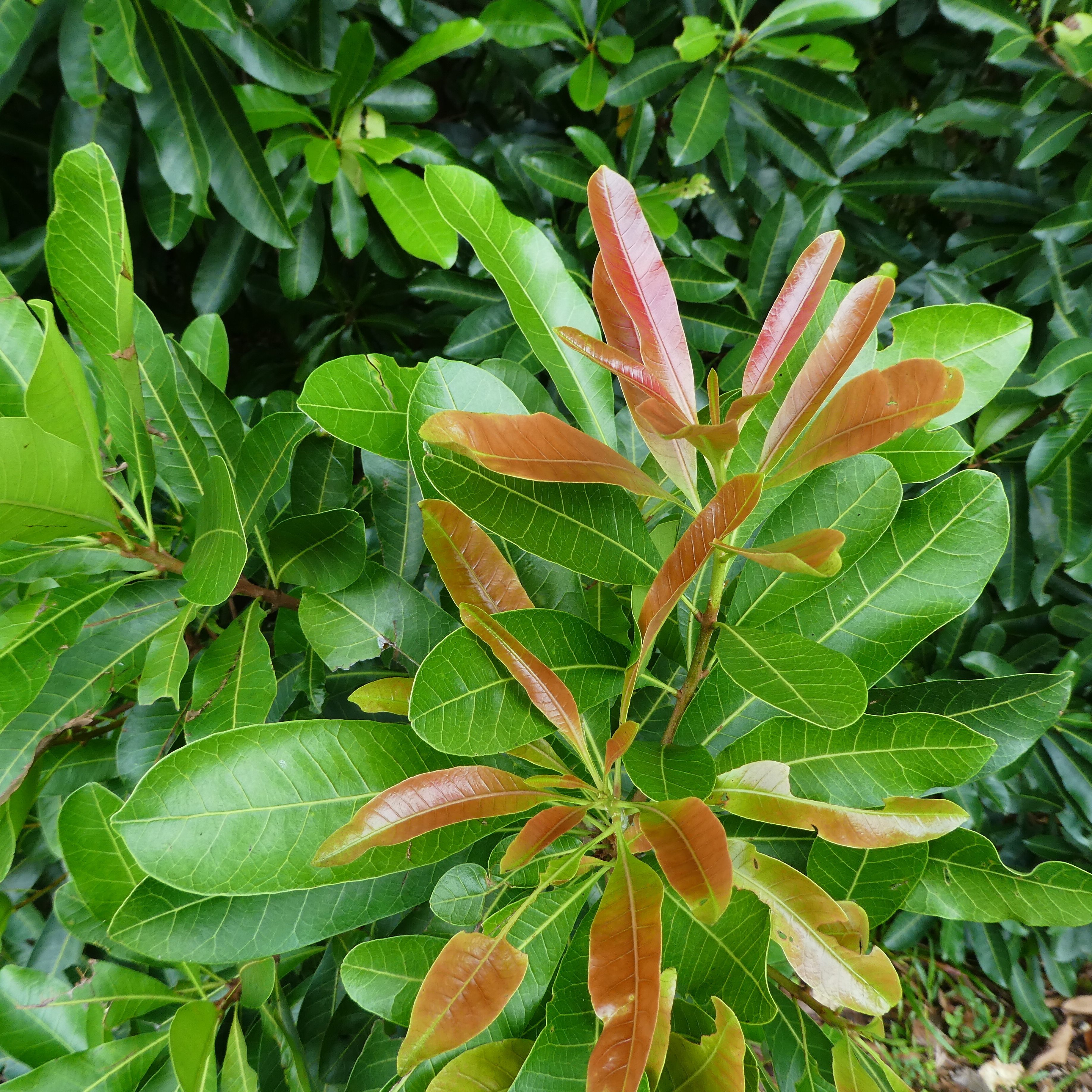
The Little Gooseberry Tree produces small fruits about 1 cm in diameter, similar in size to a Blueberry. When fully ripe they turn a dark red to deep purple. Best eaten fresh, the pulpy fruits have a sweet flavour often compared to Gooseberries. The tree belongs to the Anacardiaceae family and is related to Mango, Cashew, Ambarella and Marula. It may not be ideal for a productive orchard or a small backyard but it suits native gardens or larger orchards where a low-maintenance and unique snacking tree is welcome. Native to much of South East Asia, the western Pacific and northern Australia, the Little Gooseberry Tree is hardy and adaptable. It grows in a wide range of soils from clay to sand and tolerates drought, wind and salt. This makes it suitable for most tropical regions. It is often found in seasonal tropical climates such as savannahs and monsoonal areas where it copes well with long dry periods. However it does need good rainfall during the wet season to thrive. Its flowers attract insects and birds while the fruit is a valuable food source for native wildlife, making it a great option for gardeners who want to support biodiversity. Despite its name the Little Gooseberry Tree can grow quite tall, reaching up to 35 metres. It is suitable for parks, larger gardens and roadsides. The dense glossy foliage and bronze-red new growth are attractive features. Like the mango it produces large sprays of small creamy flowers from the tips of its branches creating a striking floral display when in bloom.
Please reach out to us (Contact & Socials) if you come across any broken links, incorrect details, or if you represent an online nursery that sells the products mentioned above.

 Hortiforum