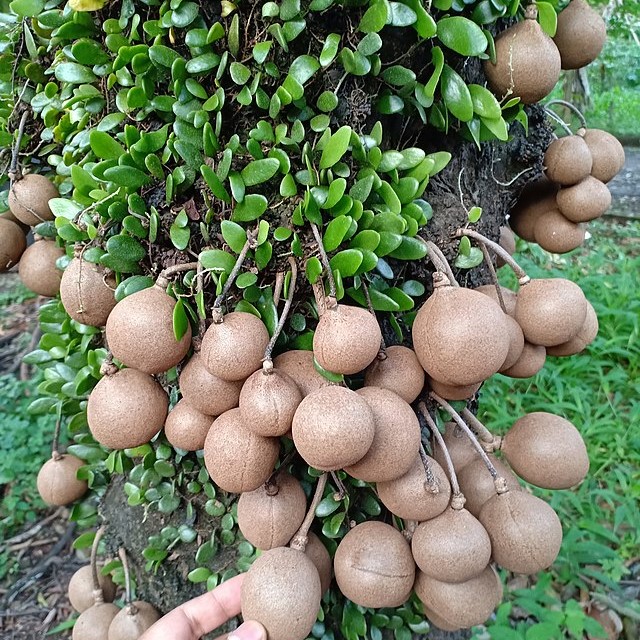
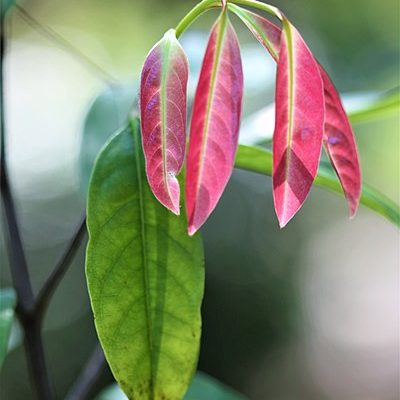
Native to the tropical rainforests of Southeast Asia, the Kepel Apple is an ideal addition to the repertoire of any tropical fruit collector or gardener, owing to its rarity and distinctive qualities. On the surface, Kepel Apple appear as a modest, unassuming round fruit, roughly 5cm in diameter featuring a thin, brown skin, resembling a fuzzless Kiwifruit, such as the Golden variety. Yet, concealed within these unassuming fruits lies a vibrant yellow pulp that is not only juicy and sweet but also exudes a delightful fragrance with a subtle hint of spiciness. Kepel Apples are described as a delightful tropical medley, combining the flavours of Mango, Papaya, and Coconut. Historically, these fruits have been consumed with the belief that they impart a pleasant fragrance to the body of the consumer. A genuine embodiment of the rare and tropical delights on offer for gardeners with a wide, horticultural horizon. Gardeners can try cultivate these fruits at home or travel to Central Java to experience the flavour. Kepel Apple form a large evergreen tree reaching heights of 25m when mature, although fruiting occurs at substantially lower heights. Trees are not only prized for its fruits but also for its ornamental appeal, characterized by a conical crown and an arrangement of lateral branches. The vibrant red hue of its new growth gradually transitions to light green and then matures into glossy, slightly drooping foliage. The cauliflorous flowering of Kepel Apples primarily occurs on the lower and middle trunk, making it convenient for harvesting the fruits and gives it a peculiar appearance in bloom and as fruit mature and cover the trunk. Commonly propogated via seed, Kepel Apple can be slow to fruit and need up to seven years before fruiting. Cultivation of these plants is a rarity outside of Indonesia, and their presence in the wild is uncommon. Kepel Apple plants thrive in rich, loamy soil, preferably in a full sun to part-shade position with ample rainfall. A unique and natively endangered tree, the Kepel Apple is well-suited for inclusion in any tropical food forest or collector’s garden.
Please reach out to us (Contact & Socials) if you come across any broken links, incorrect details, or if you represent an online nursery that sells the products mentioned above.

 Hortiforum