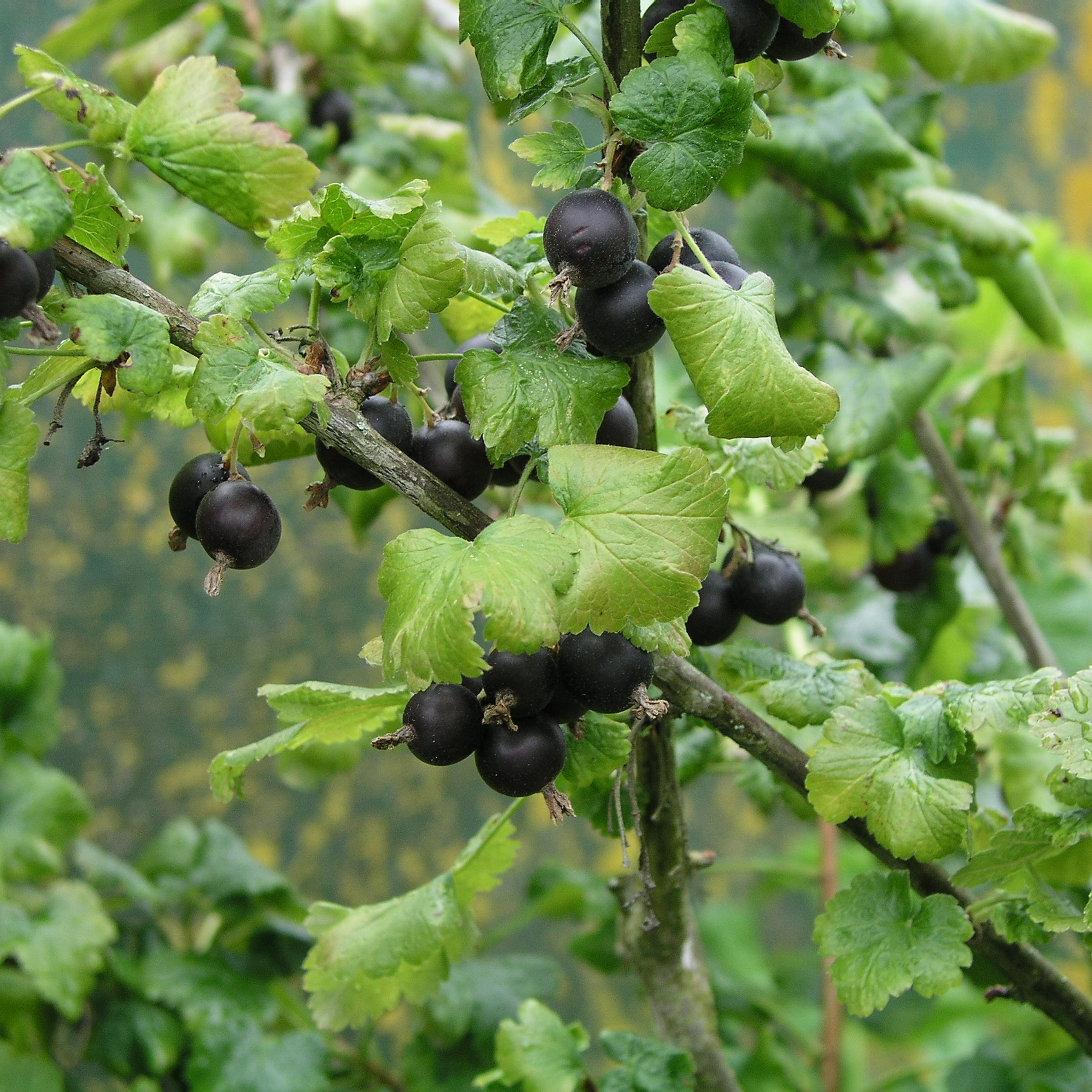
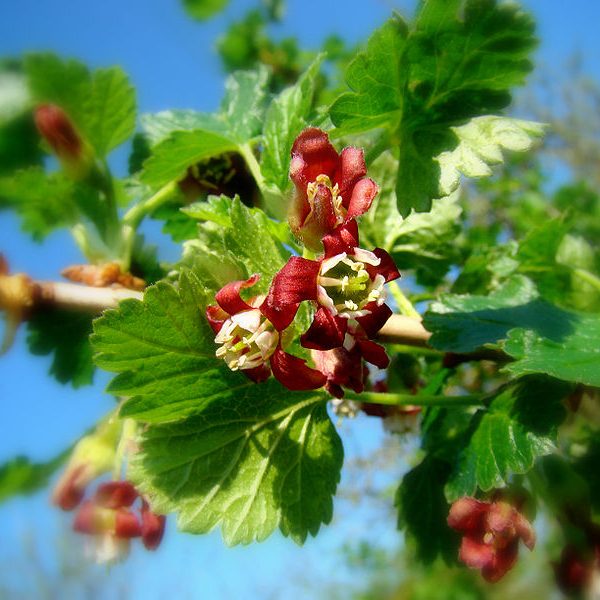
A complex hybrid of the Eurasian Blackcurrant (Ribes Nigrum), North American Gooseberry (Ribes Divaricatum), and European Gooseberry (Ribes Uva-Crispa), the Jostaberry stands out as the optimal choice for gardeners seeking to experience the finest attributes of both Blackcurrants and Gooseberries within the form of a vigorous hybrid. The delectable fruits, reminiscent of Grapes, Blackcurrants, and Gooseberries, offer a versatile culinary experience, suitable for making jams, pies, or enjoying fresh and paired with ice cream. The Vitamin C rich fruit are a delightful compromise or combination of both Blackcurrant and Gooseberry flavour and can be frozen for long-term use. Distinguished by its thornless nature, in contrast to its Gooseberry and Blackcurrant progenitors, the Jostaberry simplifies the harvesting and pruning processes, ensuring a safer environment for children and allowing their planting near pathways. Furthermore, this hybrid exhibits resilience against various diseases and pests, including mildew, lead spot, and mites, which commonly affect its parental species. Jostaberry have distinct lobed leaves and attractive red-petalled flowers. Jostaberry canes yield fruit in their second year of growth. Inheriting the compact, deciduous shrub characteristic from its Gooseberry parent, the Jostaberry is also tolerant of partial shade, although it tends to yield a less abundant crop under such conditions. As with other Ribes species, optimal cultivation involves providing Jostaberries with a rich, well-draining, slightly acidic loam soil in a sun-drenched location. Jostaberries will prefer a sheltered location, protected from harsh, drying or damaging winds. Plants can be grown as either an upright, self-supporting shrub or provided support through either a trellis or wire mesh. Keep soil moist throughout Spring and Summer and consider mulching to help retain soil moisture. As both a tantalizing fruit and a hardy plant, the Jostaberry stands as an outstanding selection for any temperate garden, offering a delightful blend of flavours and hardy vigour.
Refer to Comments for note on propagation and supplied form. Please reach out to us (Contact & Socials) if you come across any broken links, incorrect details, or if you represent an online nursery that sells the products mentioned above.

 Hortiforum