General Info – Jambolan Plum, Java Plum, Jambu, Malabar Plum, Jamun
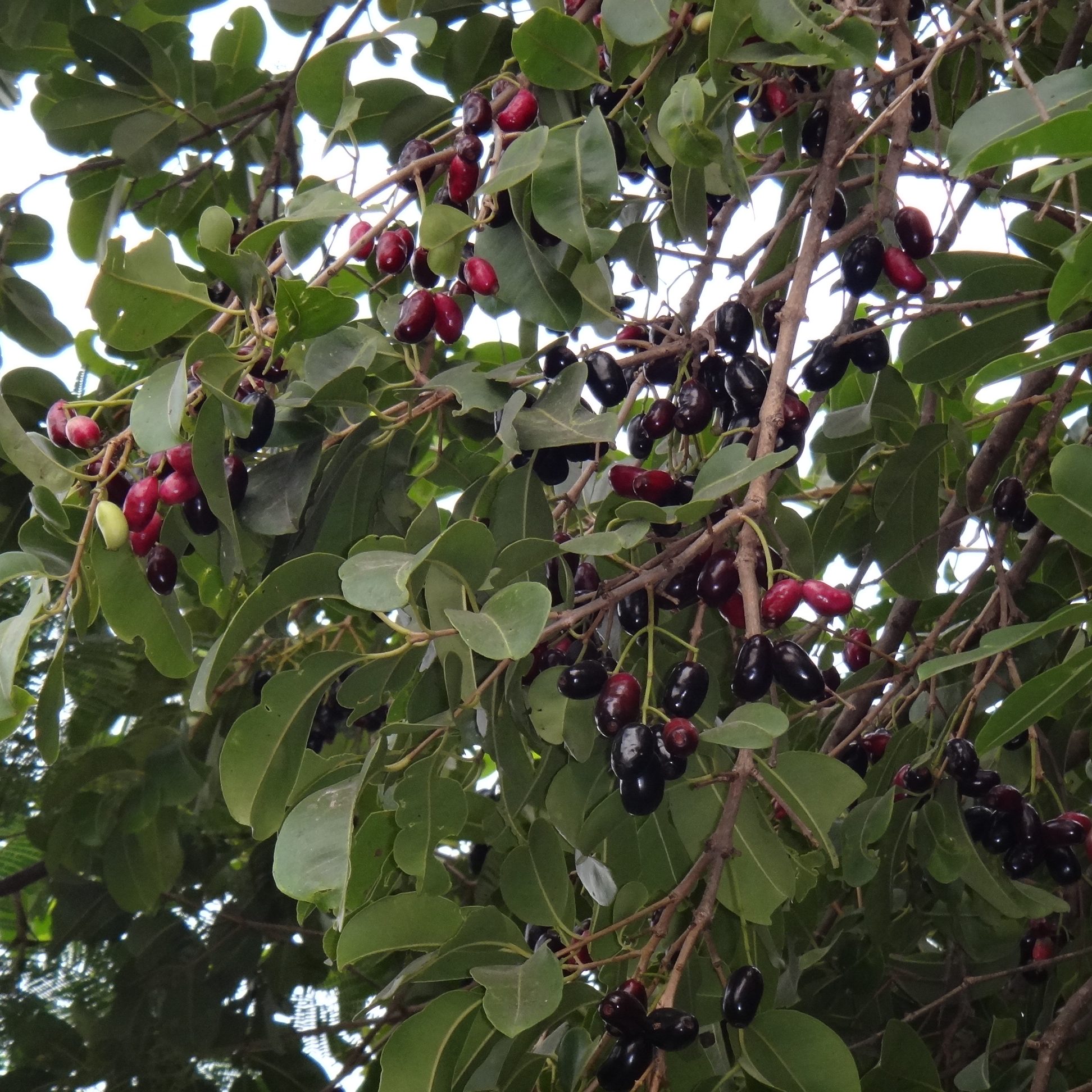
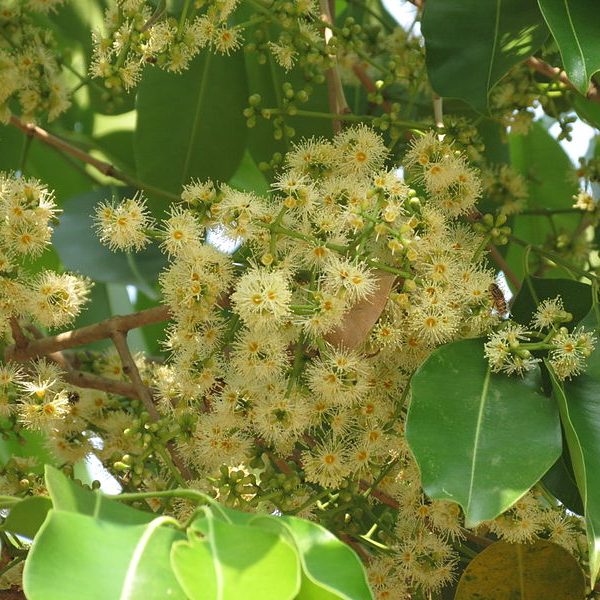
Vigorous and adaptable, the Jambolan Plum stands out as the ideal choice for any low-maintenance tropical to subtropical garden. The Grape-sized, black fruits boast a juicy white to purple pulp. The fruit’s quality varies, offering a spectrum of tartness, sweetness, and a hint of Peppery taste, along with flavours reminiscent of Plums and Blackberries. Fruits are enjoyed fresh, with a dash of salt, or crafted into a refreshing juice or delightful preserve. Jambolan Plum are members of the Syzygium genus and therefore relatives of the Wax Jambu and Giant Lau Lau, also having a mild, pleasant sweet flavour. The Jambolan Plum is also related to the Australian Lilly Pilly, sharing a closer resemblance with its smaller size, more noticeable singular seed, and rounded shape rather than a Pear-shaped figure. Fruits are most similar in form to the related Lipote. Plants have a distinct, slight-moderate astringency which is pleasant and desirable for many but undesirable for others. Known also as Jamun, Java Plum or Jambul, the Jambolan Plum is considered sacred by both Buddhists and Hindus, traditionally planted near temples. Additionally, the vitamin rich fruits are highly regarded in traditional medicine. Native to and widely cultivated across tropical Asia, Jambolan Plum is an evergreen tree that swiftly reaches heights exceeding 10 metres, forming an excellent shade provider due to its dense crown. The densely borne foliage is a glossy, dark green when mature with a distinct yellow midrib, while new growth is a beautiful pinkish to vivid red. Jambolan Plum is beautiful in bloom, with prolific clusters of creamy-yellow flowers featuring a multitude of prominent white stamens that give it a puffy appearance. Native to a range of subtropical-tropical forest habitats across South and Southeast Asia, from monsoonal to riverine and high-altitude forests. Notably hardy and low-maintenance, Jambolan Plums exhibit a remarkable tolerance for flooding, poorly draining soils, as well as dry soils and prolonged droughts. They are highly wind-tolerant, making them suitable for windbreaks, and can thrive in a wide range of soil pH levels, spanning from acidic to alkaline. Mature plants can withstand ocassional, light frosts and are marginal in warm temperate climates but likely to succeed provided they are given a warm, frost-free position. While plentiful, high rainfall across the year is preferred, seasonal dry periods are tolerated and natively experienced. Plants are shade tolerant when young but should receive full sun when mature to ensure bountiful harvests. Due to its adaptability, resilience, and the allure of its fruits to birds, the Jambolan Plum has gained a reputation as an invasive species in various regions worldwide. It is advisable to carefully consider its invasive potential before introducing it to your garden. Adaptable and hardy, with its ornamental form and culturally cherished fruits, the Jambolan Plum deserves widespread cultivation across subtropical and tropical regions.
Please reach out to us (Contact & Socials) if you come across any broken links, incorrect details, or if you represent an online nursery that sells the products mentioned above.

 Hortiforum