General Info – Indian Jujube, Indian Plum, Ber, Chinee Apple
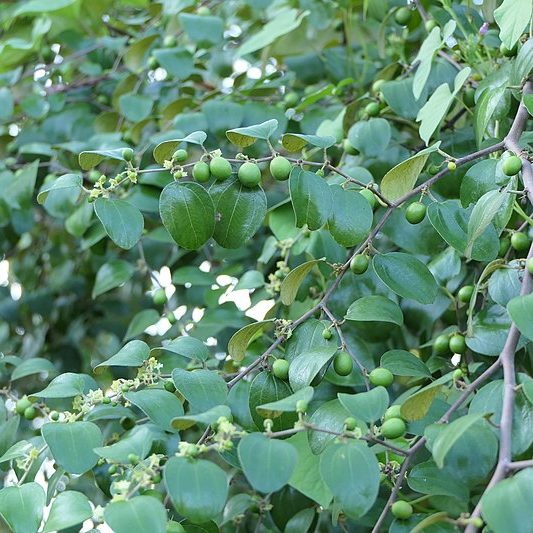
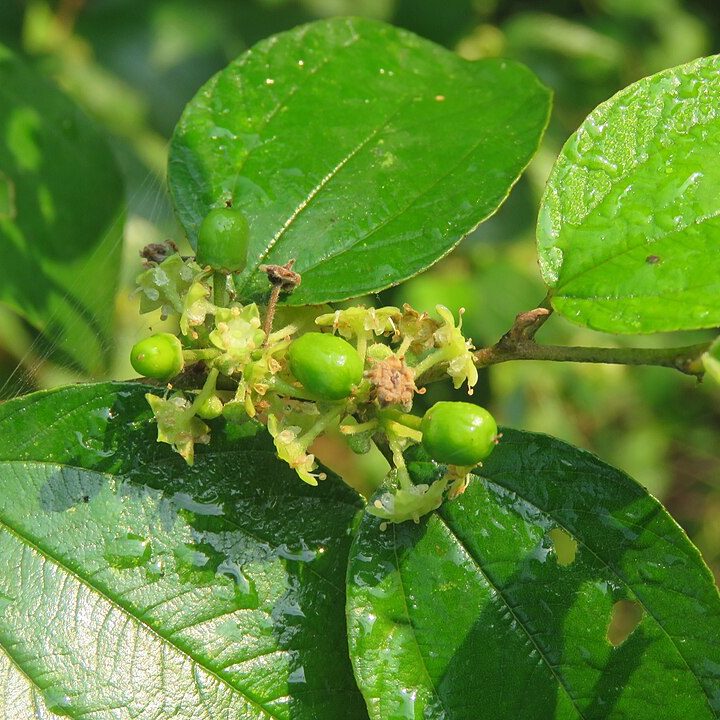
Indian Jujube, also commonly known as Chinee Apple in Australia, is a declared weed in Western Australia, Queensland, and the Northern Territory, and its cultivation or spread is prohibited in these regions. Outside of these areas, gardeners should exercise caution when growing this plant to prevent its invasive spread. If controlling its spread is not realistically feasible, it is best to avoid cultivating it altogether. A close relative of the Jujube (Ziziphus jujuba), the Indian Jujube can vary in size depending on the seedling or variety, though it is typically about the size of a Cherry. The fruit has succulent white flesh with a crunchy, crisp texture and a juicy interior containing one large seed. Its flavour is pleasantly Apple-like, and depending on the variety and stage of ripeness, it can be either sweet or tart. When consumed fresh, the fruit is often eaten slightly underripe, with a pinch of salt. As the fruit ripens, it changes through various colours, ranging from orange to red and reddish-brown. Indian Jujube is highly nutritious, with an exceptionally high Vitamin C content, rivalling that of Guava and Citrus. Indian Jujube thrives in the drier tropics, with annual rainfall ranging from 400mm to 1200mm, often accompanied by a pronounced dry season. It is not suited for the wet tropics. This plant is ideal for climates with extreme tropical conditions and heat, with hot, dry, and sunny weather said to produce the highest quality fruit. It is highly adaptable to a wide range of soils, from acidic to alkaline, fertile to heavy, and even drought-prone or occasionally waterlogged soils. Indian Jujube requires a full sun position and is commonly found in grasslands, pastures, open woodlands, and disturbed sites with ample sunlight. As it establishes itself, the plant develops a strong root system, allowing it to withstand harsh droughts. It is notably tolerant of both sea spray and moderately saline soils and will regrow vigorously from stumps and root suckers. The Indian Jujube is a thorny tree with a spreading canopy, often reaching up to 10m wide and 8m tall in mature specimens. Thorns are present at each joint along the stems and branches. This versatile tree can be used as a shade provider, a windbreak, or an impenetrable hedge. It is evergreen, with alternate leaves that are glossy green on the upper side and pale white underneath. The tree produces small, inconspicuous green-yellowish flowers in clusters along the leaf axils, flowering from late summer to early winter, with some varieties even producing two crops per year. Its bark is grey and furrowed. The Indian Jujube has the distinctive appearance of a plant native to savannah and monsoonal climates, displaying lush green foliage during wet periods and more sparse, wiry growth during dry spells.
Where to Purchase – Online Nurseries (Australia Only)
Nursery
Indian Jujube – No known sellers, if you’re an online nursery selling this product get in contact!
Please reach out to us (Contact & Socials) if you come across any broken links, incorrect details, or if you represent an online nursery that sells the products mentioned above.

 Hortiforum