Chhe – Public Domain – Wikimedia CommonsAgnieszka Kwiecień, Nova – CC BY-SA 4.0 – Wikimedia Commons
General Info – Hackberry, Common Hackberry, Nettletree, Beaverwood, American Hackberry
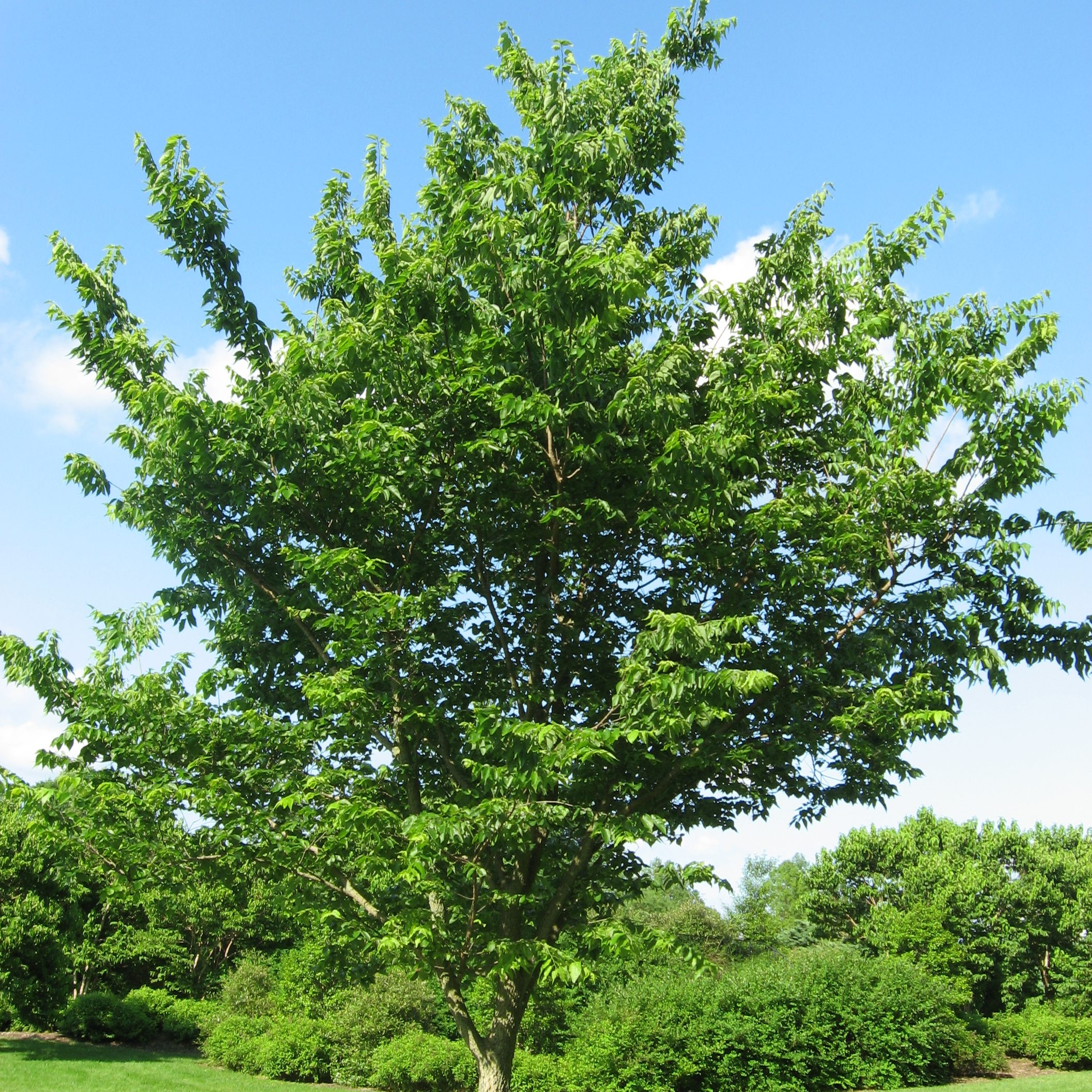
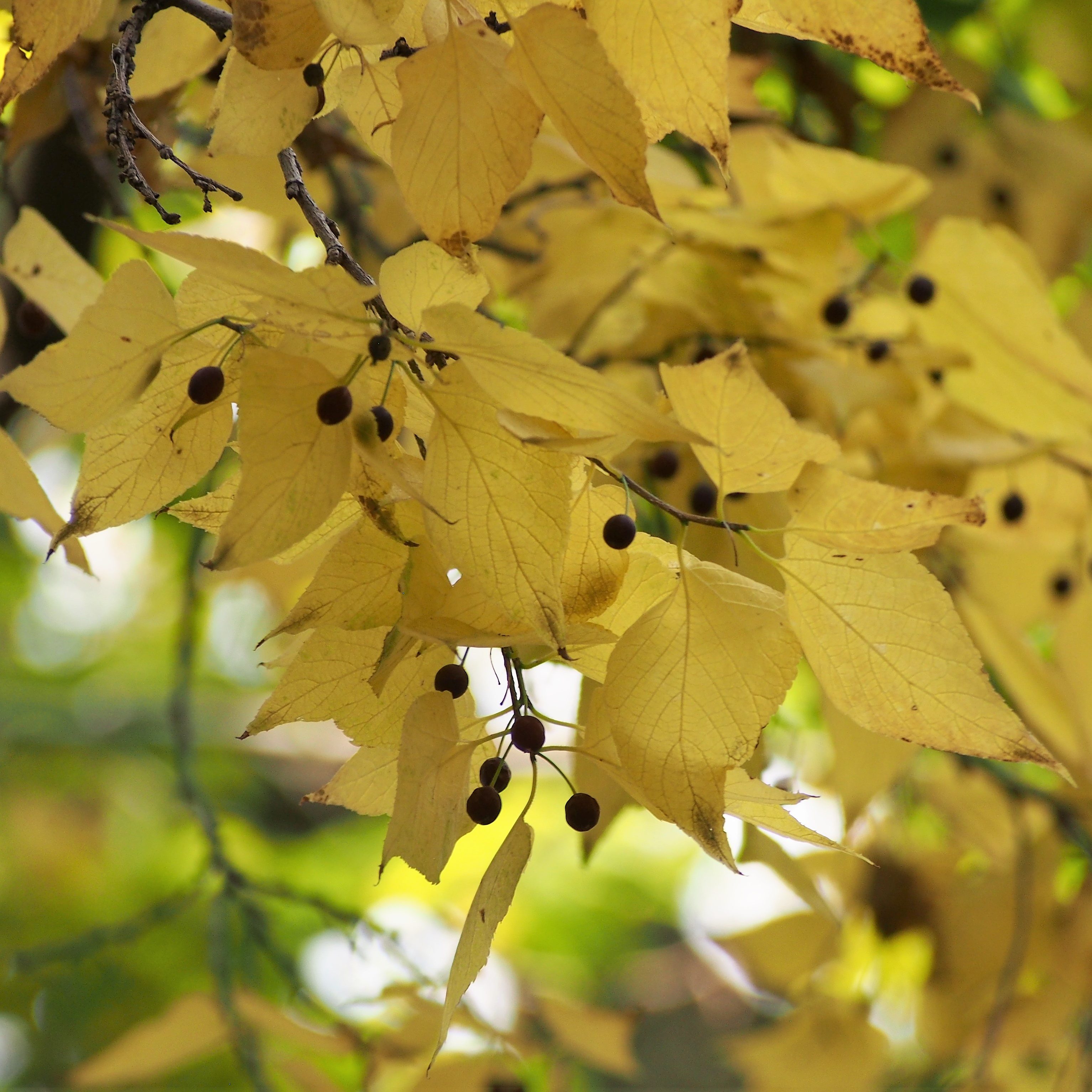
Hackberry trees produce fleshy, oblong drupes that grow on long, slender stems, much like Cherries. These pea-sized fruits are surprisingly dense in nutrients and kilojoules. With a pleasant, very sweet flavour often likened to dried Dates, they make for an excellent casual snack. The fruit ripens in Autumn and can remain on the trees into early winter, similar to some Persimmons or Kiwifruit. Native to the temperate regions of eastern and central USA, Hackberry is now cultivated across a much broader range and is especially popular as a street tree in parts of Europe. In its native habitat, it occurs in a variety of environments, commonly found along stream and riverbanks where it thrives in rich, moist loam soils. However, it is also found on drier upland slopes with poorer, rocky soils, reflecting its general hardiness and adaptability to a wide range of soil types, both alkaline and acidic. Hackberry is tolerant of periodic flooding and is often found on floodplains in its native range, where it may be submerged. Some sources report that mature trees can withstand flooding for over a month without damage, while others note occasional tolerance for even longer periods, exceeding a year. The species develops a deep root system—up to 6 metres deep—which provides excellent drought resistance and enables it to survive in areas with annual rainfall as low as 350 mm. It is also known for its tolerance to salinity and strong winds. Fast-growing and quick to establish, Hackberry is well-suited to urban environments. It also supports biodiversity, attracting pollinating insects to its flowers and a variety of birds that feed on its ripe fruit. The Hackberry is a medium-sized tree with a modest and understated presence for much of the year. In spring, it produces rather inconspicuous greenish flowers that often go unnoticed. As the tree matures, its bark develops a distinctive grey colour with prominent ridges and furrows, adding visual texture to its trunk and branches. Come autumn, the tree bears deep purple fruits that often persist into winter, standing out in striking contrast against the otherwise bare stems and twigs.
Where to Purchase – Online Nurseries (Australia Only)
Nursery
Hackberry – No known sellers, if you’re an online nursery selling this product get in contact!
Please reach out to us (Contact & Socials) if you come across any broken links, incorrect details, or if you represent an online nursery that sells the products mentioned above.

 Hortiforum