Przemek P – CC BY-SA 3.0 – Wikimedia CommonsAnRo0002 – CC0 – via Wikimedia Commons
General Info – Gooseberry
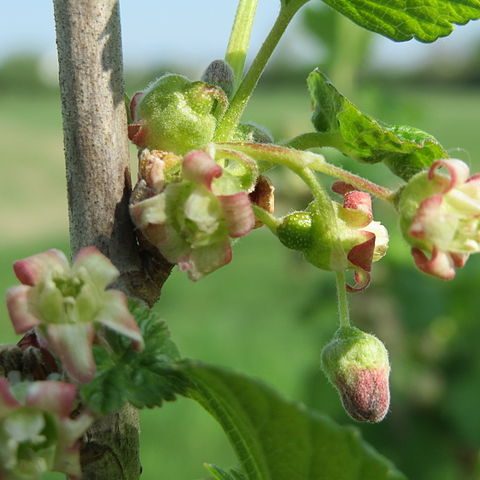
The Gooseberry shines as an outstanding edible shrub for temperate climates, renowned for its abundant yield of delightful green to red berries that strike a delightful balance between sweetness and tartness. Gooseberries resemble Grapes in size and can range from pleasantly sweet to vibrantly sour depending on the variety. A diverse array of Gooseberry cultivars exist (although few are available in Australia), each distinguished by its unique appearance and sweetness profile, spanning hues from green to red and purple. Sour varieties or slightly unripe berries are perfect for various culinary creations such as jams, sauces or incorporation into delectable pies. When Gooseberries reach full ripeness, they become highly suitable for fresh eating, serving as a delightful treat when enjoyed straight off the bush. Abundant in antioxidants and serving as a rich source of Vitamin C, Copper, and Dietary Fibre, Gooseberries are not only delicious but also healthy. Originating from temperate Europe and the Mediterranean regions, the Gooseberry is ideally suited for small, partially shaded, sheltered locations. Gooseberries prefer climates with medium to high chill hours, particularly favoring cool temperate climates with cold winters and mild summers. Gooseberries flourish in a moist, slightly acidic, well-drained soil, particularly those rich in organic matter which can be provided through compost or manure. Soil should remain moist during flowering and fruiting, mulching soils will greatly enhance moisture retention. Originating from cool climates, Gooseberries dislike hot summers and temperatures exceeding 30 degrees Celsius, greatly benefiting from afternoon shade in such conditions. Gooseberries can flourish in pots and are self-pollinating, making them an excellent choice for utilising small spaces. Berries are often targeted by birds and bushes may require netting for protection. Gooseberries develop into small, bushy shrubs with a vigorous, upright form, typically not exceeding a height of 2 metres. It’s recommended to prune plants into an open vase shape, promoting airflow and sunlight penetration into the center of the shrub. With its distinct, lobed leaves and hanging, bell-shaped flowers, the Gooseberry adds an attractive touch to any garden. Closely related to Currants, Gooseberries share a strikingly similar appearance, albeit with notably more thorns. However, thornless varieties like ‘Captivator’ offer a more pleasant and hassle-free cultivation experience. Growers may also consider the Jostaberry, a hybrid of Black Currant and Gooseberry, prized for its enhanced disease resistance and exceptional flavor. As a refreshing and iconic summer fruit of temperate Eurasia, Gooseberries remain an underappreciated gem in the realm of berries, deserving of greater attention and admiration.
Please reach out to us (Contact & Socials) if you come across any broken links, incorrect details, or if you represent an online nursery that sells the products mentioned above.


 Hortiforum