General Info – Cinnamon, True Cinnamon, Ceylon Cinnamon
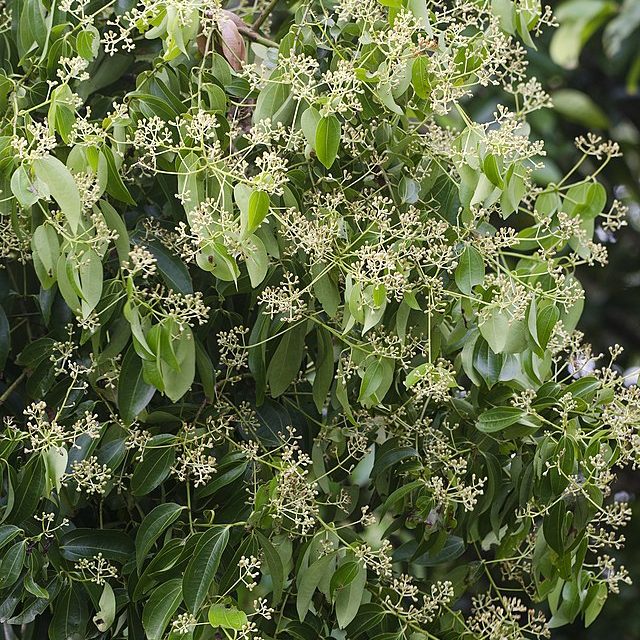
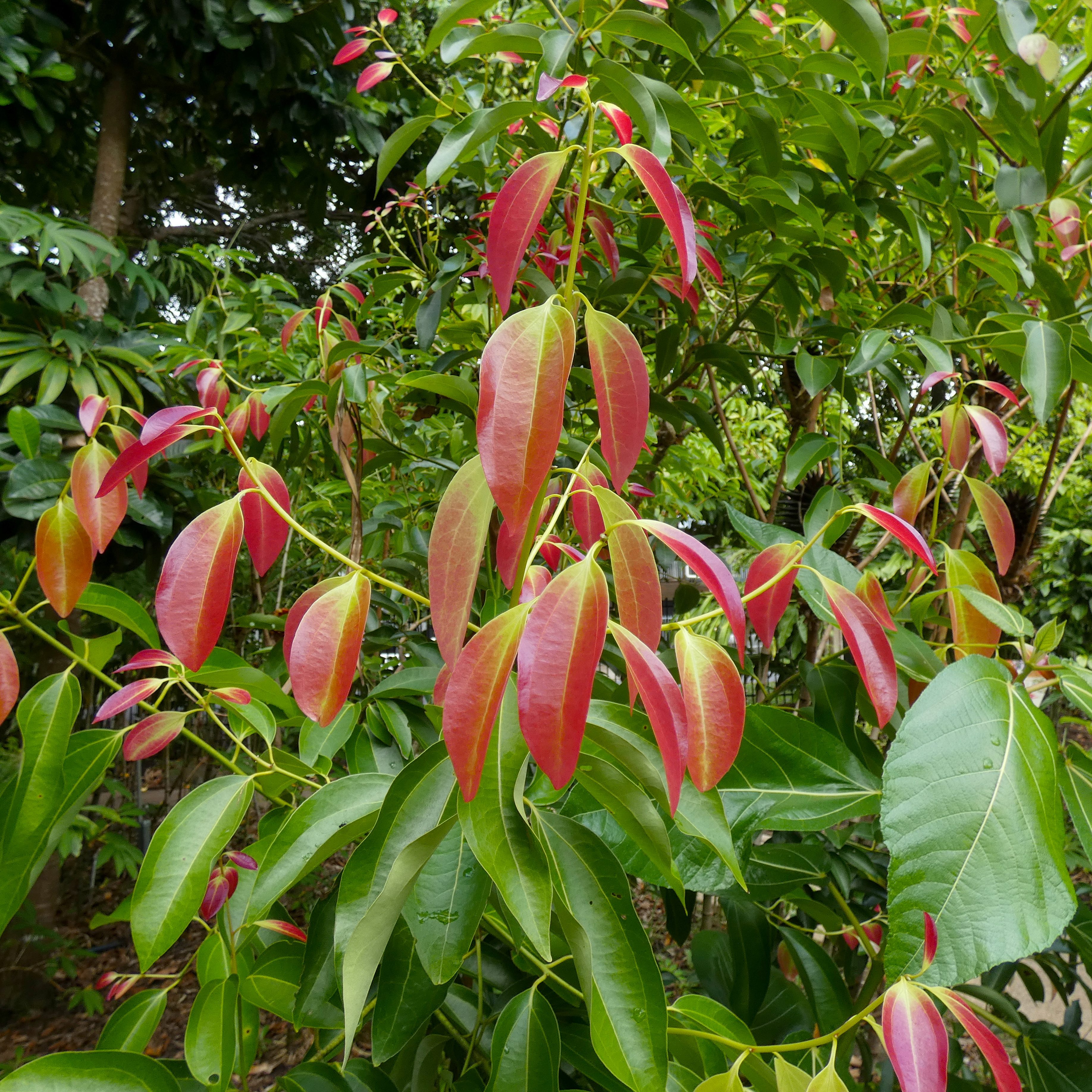
The source of the famous and widely used culinary spice Cinnamon extracted from its inner bark. Cinnamomum Verum is considered “true Cinnamon” and is of superior quality compared to other Cinnamomum genus plants, such as Cinnamomum Cassia, the most widely cultivated species for production. Cinnamon is processed by removing the outer bark to reveal a thin layer of inner bark, which is delicately removed while still moist. This inner bark is then rolled into ‘quills’ before being dried in a warm, sunny, and well-ventilated location. Once dried, Cinnamon can be used in its whole form as intact ‘quills,’ perfect for flavouring curries, biryanis, and sauces. However, Cinnamon is most versatile and commonly used in its powdered form, where it adds a delightful fragrance to innumerable foods. Cinnamon powder can flavour baked goods such as breads, muffins, and tarts and is beloved in cinnamon sweet rolls. It can also be mixed with sugar to make Cinnamon sugar, which is excellent for dusting foods as simple as toast or porridge, as well as cakes and churros. Cinnamon pairs particularly well with both temperate fruits like Apples, Pears, and Peaches and tropical fruits like Coconut, Pineapple, and Banana. Additionally, the fragrant leaves can be used for flavouring stews and curries, similar to Bay Leaves. Cinnamon trees are very sensitive to cool temperatures and should be protected from frost or temperatures below 4°C. They have demanding growing requirements, preferring consistent, high year-round rainfall and fertile, slightly acidic, free-draining but moist loam soil. Cinnamon grow well in tropical and warm subtropical climates and tolerate both partial shade and full sun. In more temperate climates, Cinnamon Myrtle is an excellent native alternative when provided with protection from frost when young. Cinnamon Trees are highly ornamental with lush, evergreen foliage with a delightful, strong aroma when crushed and covered in small, white flowers in bloom. Cinnamon trees can reach heights of up to 18 meters but can be kept well below through pruning. Cinnamon are a member of the Lauraceae family, together with Avocado. Commercially, Cinnamon are regularly coppiced because the upright, pole-like growth is ideal for harvesting and processing. Cinnamon trees are a lovely addition to any garden, not only for the opportunity to harvest your own cinnamon but also for their magnificent ornamental value as a rare specimen tree.
Please reach out to us (Contact & Socials) if you come across any broken links, incorrect details, or if you represent an online nursery that sells the products mentioned above.

 Hortiforum