General Info – Ceylon Hill Gooseberry, Cherry Myrtle, Rose Myrtle
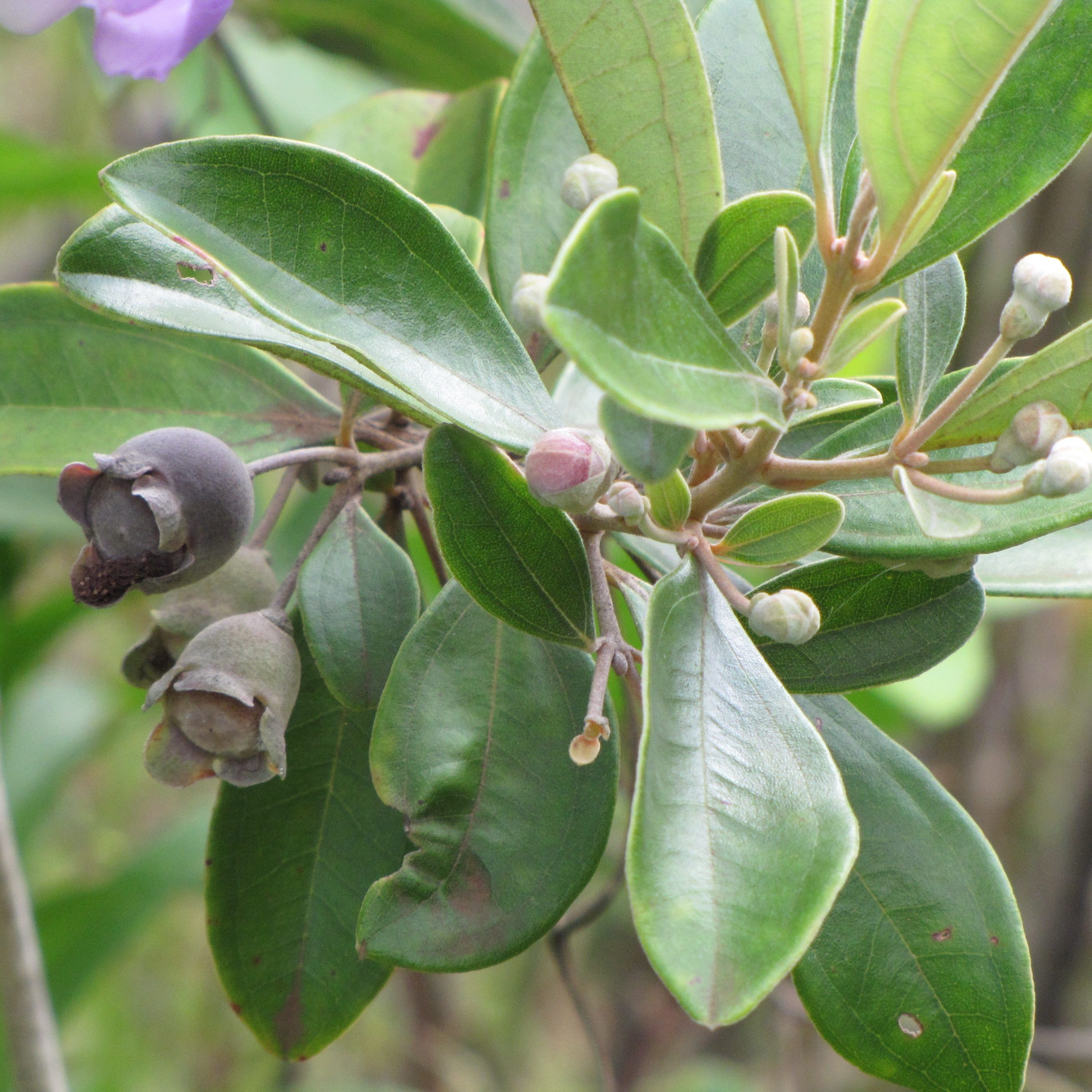
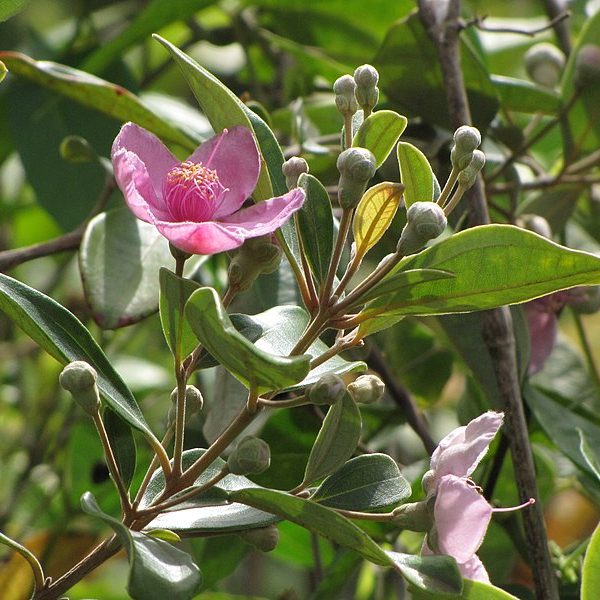
A prolific fruiter, a beautiful ornamental shrub, and a cold-tolerant evergreen, the Ceylon Hill Gooseberry is an excellent addition to any subtropical or warm temperate garden. This wide-spreading shrub is worth cultivating for its ornamental display of stunning pink flowers that blanket the plant. Under favourable conditions and with sufficient water, this will be followed by a heavy fruit set, even without cross-pollination. Ceylon Hill Gooseberries form a low-lying, spreading shrub that can be easily pruned to a manageable height of 1-2 metres, making them perfect for ornamental, fruiting hedges without compromising production. Although native to Tropical South Asia and Southeast Asia, the Ceylon Hill Gooseberry exhibits remarkable cold tolerance, enduring brief, very occasional temperatures as low as -6 degrees Celsius when mature, and will fruit well in all temperate-subtropical locations along the mainland coast, as far south as Melbourne. Commonly growing in coastal locations, these plants prefer slightly acidic, well-draining soils with consistent high rainfall throughout the year. They can also tolerate moderate amounts of salt spray and salty soils. Full sun should be provided for form and production, additionally plants may benefit from a pollinating companion although they can be self-pollinating by themselves. The fruits, approximately the size of large Blueberries, boast a purple, edible velvet skin that conceals a juicy, jelly-like pulp within. Ceylon Hill Gooseberry flower in Spring, with fruits ripening across mid-Autumn to early Winter. Fruits should only be picked in their fully ripe, swollen purple form as even slightly unripe fruits can be unpleasantly astringent and lacking sweetness. The taste is often likened to a delightful blend of Blueberries, Figs, and Raspberries which is much beloved by children. Apart from their delightful fresh taste, these fruits are well-suited for crafting preserves like jams or jellies, as well as for baking into delicious pies. While the fruits contain small seeds are harmless and barely noticeable to humans, they can be widely dispersed by birds. Consider netting the plants from birds in subtropical climates in order to prevent potential spread amongst wild environments and to preserve your delicious crop. A productive, low-lying shrub with exceptional ornamental qualities, the Ceylon Hill Gooseberry proves to be a superb option for locations with limited vertical space, ensuring no compromise on beauty.
Please reach out to us (Contact & Socials) if you come across any broken links, incorrect details, or if you represent an online nursery that sells the products mentioned above.

 Hortiforum