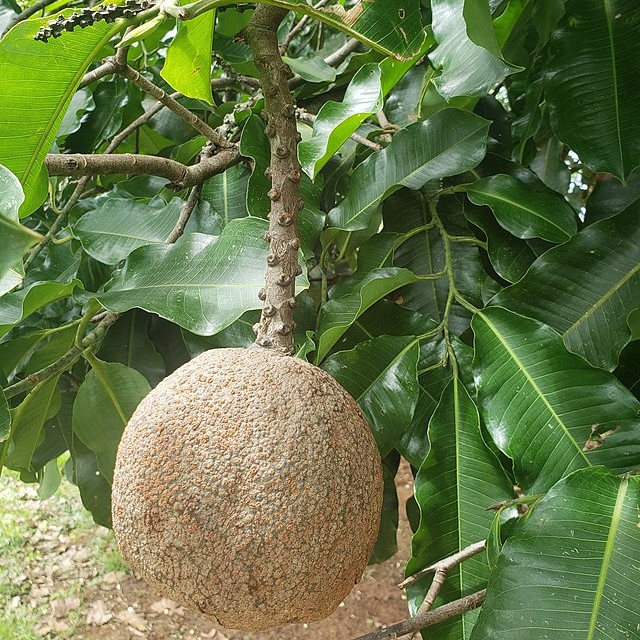
Miguel Jorge Villavicencio Oliva – CC BY-SA 4.0 -Wikimedia Commons
General Info – Brazil Nut
Highly nutritious and filled with vitamins, healthy fats, and protein, Brazil nuts have become a popular and delicious health food beloved for their smooth, nutty flavour. Brazil nuts are encased in large, dark brown capsules with an extremely thick shell, each containing between 10-25 nuts. Brazil nuts are often described as buttery or creamy due to their rich fat content, comparable to Pecans or Macadamias. They have a firm, crisp texture and can be eaten fresh, but roasting enhances their flavour. Brazil nuts are widely consumed for their high nutritional value, being rich in Thiamin, Vitamin E, Magnesium, and Zinc, as well as the essential micronutrient Selenium. However, caution is advised since just one Brazil nut can provide the daily required intake of Selenium, and excessive consumption can be toxic. Brazil nut trees are native to the Amazon Basin, where they grow to become some of the largest and oldest trees in the rainforest. These ultra-tropical trees do not tolerate temperatures below 10 degrees Celsius and require consistent high humidity over 80%, mimicking their native environment. A dry season of at least three months is necessary to induce proper flowering, followed by heavy rainfall ideally exceeding 2000mm. While deep, fertile soils are preferred, the trees are adaptable to low-fertility soils, provided they are well-draining, as waterlogging is not tolerated. Most harvested Brazil nuts come from wild trees often threatened by logging. Trees require up to 12 years before fruiting in native conditions, though this can be reduced to around 8 years in cultivation, making Brazil nuts a long-term commitment for growers. Pollination can also be challenging, as they are natively pollinated only by large bees strong enough to reach inside the flowers. These factors restrict commercial cultivation and should be considered by gardeners. Brazil nut trees are rainforest canopy trees that can reach heights of up to 50 metres to access full sunlight, making them truly majestic specimens. In cultivation and without competition for sunlight, they may mature at smaller heights. The trees develop a thick bole up to 2 metres in diameter, with the trunk remaining largely branchless until the well-lit canopy. The large size and weight of Brazil nut shells pose a significant risk to individuals walking below, with capsules weighing up to 2.5kg and often falling from heights over 30 metres, creating a potentially fatal hazard. Brazil nut trees are highly demanding with very specific requirements. However, those fortunate enough to successfully cultivate them will be rewarded with a delightful and nutritious treat. Brazil nuts boast an excellent nutritional profile, delectable flavor, and superb texture, making the effort worthwhile.
Where to Purchase – Online Nurseries (Australia Only)
Nursery
Brazil Nut – No known sellers, if you’re an online nursery selling this product get in contact!
Please reach out to us (Contact & Socials) if you come across any broken links, incorrect details, or if you represent an online nursery that sells the products mentioned above.

 Hortiforum