SABENCIA Guillermo César Ruiz – CC BY-SA 4.0 – Wikimedia CommonsT.Kebert – CC BY-SA 4.0 – Wikimedia Commons
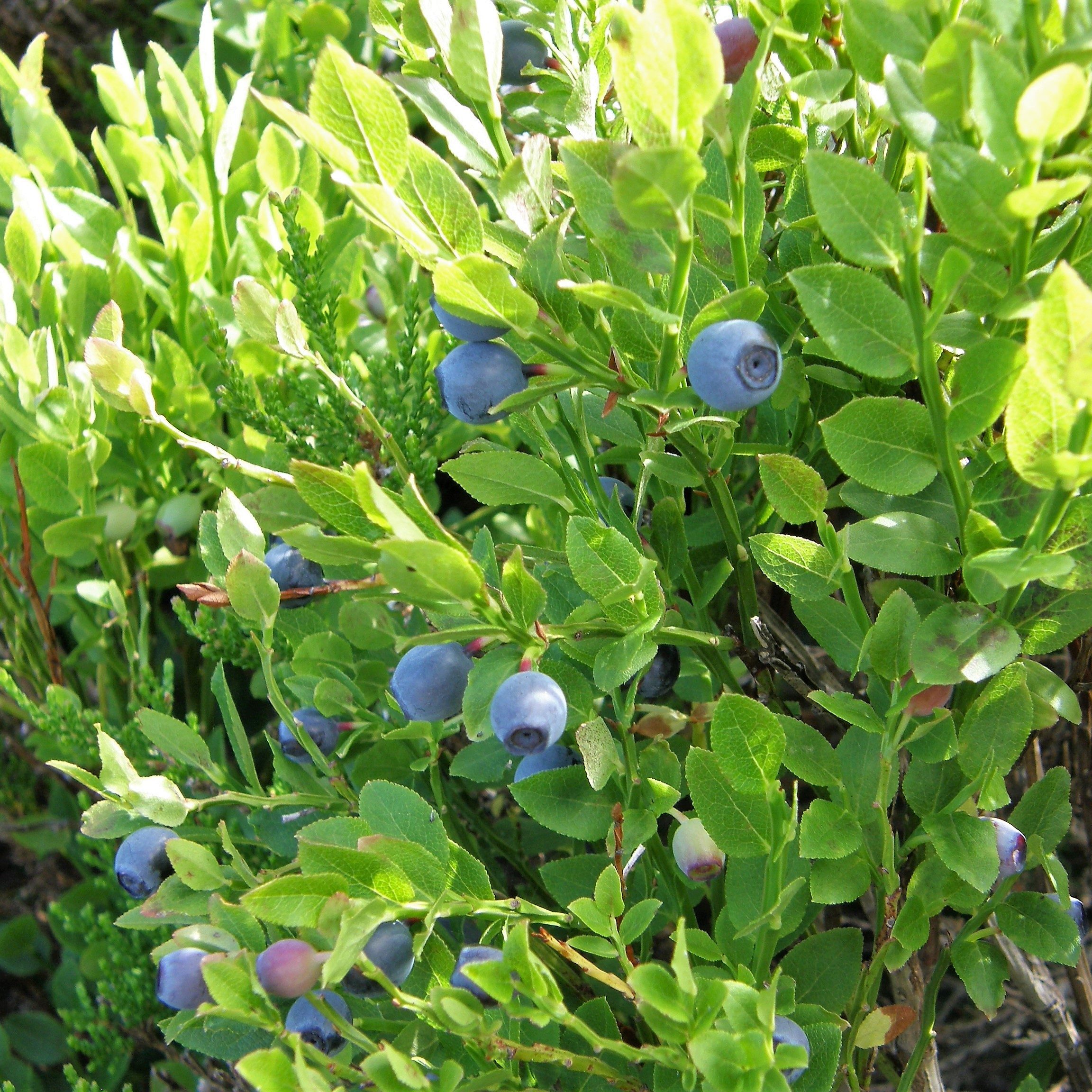
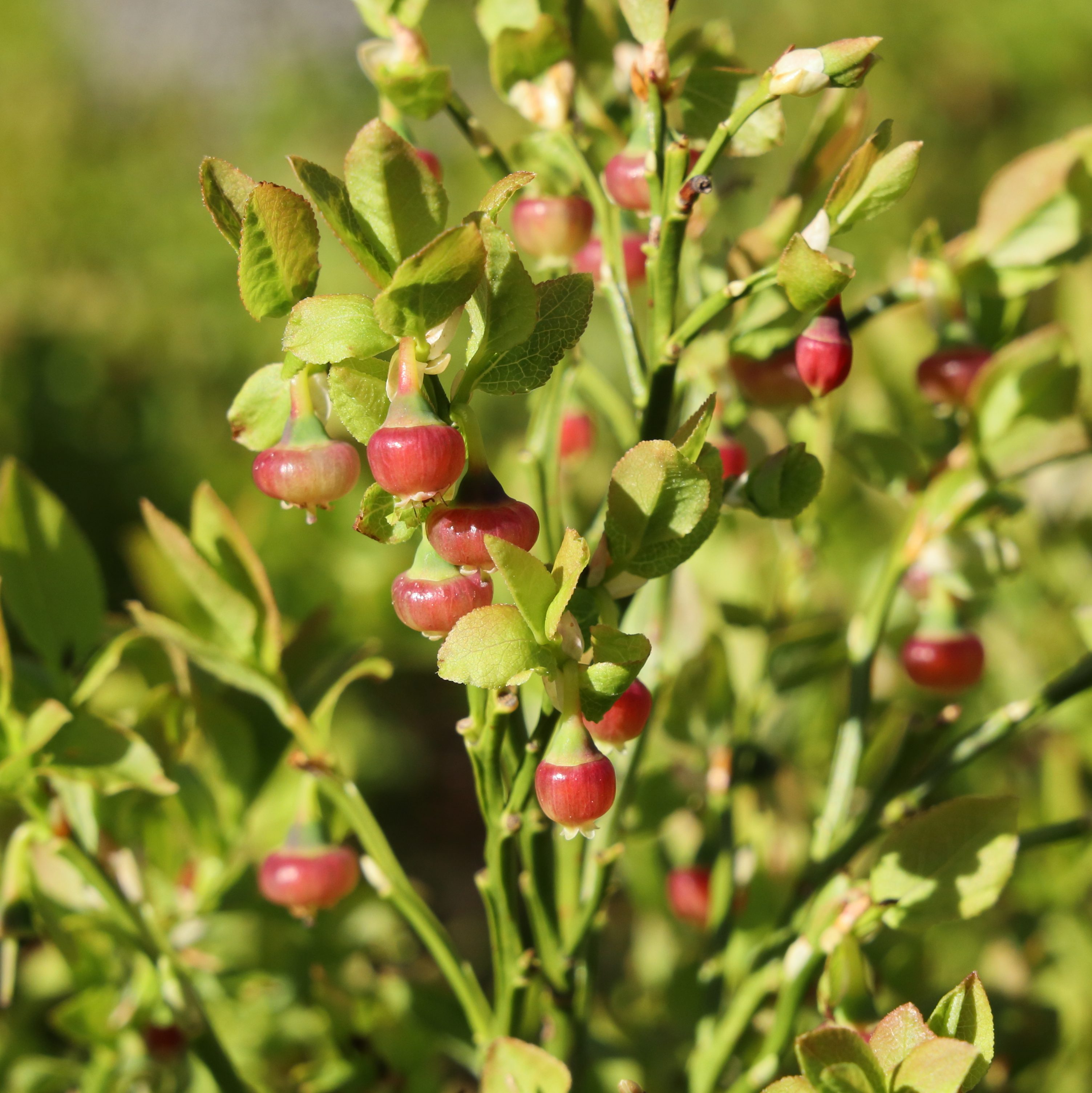
General Info – Bilberry, European Blueberry, Whortleberry, Blaeberry
Bilberries are often regarded as having a fuller, more intense flavour than Blueberries, with a pronounced tartness that appeals to those who enjoy sub-acidic fruits. This distinctive taste makes them ideal for preserves such as jams and syrups, as well as baked goods like muffins, pies and tarts. Bilberries can also be dried for later use—particularly in teas, which are often consumed for their medicinal benefits. Like their better-known relatives, Blueberries, Bilberries are rich in vitamins and minerals. They are especially valued for their high antioxidant content, and they provide notable amounts of Vitamins C and K, along with Manganese, Potassium and Phosphorus. Thanks to these nutritional qualities, dried Bilberries are frequently sought after for health purposes. Unlike Blueberries, however, Bilberries are rarely grown commercially due to their short shelf life. Despite this, they freeze exceptionally well, allowing gardeners and foragers to preserve their harvests for future enjoyment. Native to the cool temperate climates of North America and Eurasia, bilberry bushes are typically found in heaths, moorlands, mountain slopes and forest understories—demonstrating their adaptability to a variety of conditions. Within these environments, bilberries thrive in acidic, nutrient-poor soils with excellent drainage, and can grow successfully in both exposed and sheltered locations. They tolerate both full sun and partial shade, often occurring in both settings, although they tend to be most productive when exposed to ample sunlight. Bilberries are well adapted to withstand harsh cold, typical of the mountain and taiga regions where they naturally occur. However, they are sensitive to drought and require regular watering during hot, dry periods. Bilberry forms a low-lying, prostrate shrub, rarely growing above 0.5 metres and often remaining below 30 centimetres, even in partially shaded conditions. This compact growth habit makes it an excellent choice as a fruiting ground cover for cool temperate climates. Bilberry flowers are similar to those of blueberries, yet distinct. They are also bell-shaped, though more enclosed, and display a characteristic pink to pinkish-white hue. These delicate flowers typically appear from spring to summer, depending on the local climate. The plant’s glossy, slightly serrated leaves take on a striking red flush in autumn—especially in their native habitats, where bilberries often form a dominant ground cover.
Please reach out to us (Contact & Socials) if you come across any broken links, incorrect details, or if you represent an online nursery that sells the products mentioned above.

 Hortiforum