General Info – Apple Berry, Hairy Apple Berry, Common Apple-Berry, Apple Dumplings, Bomula, Karrawang
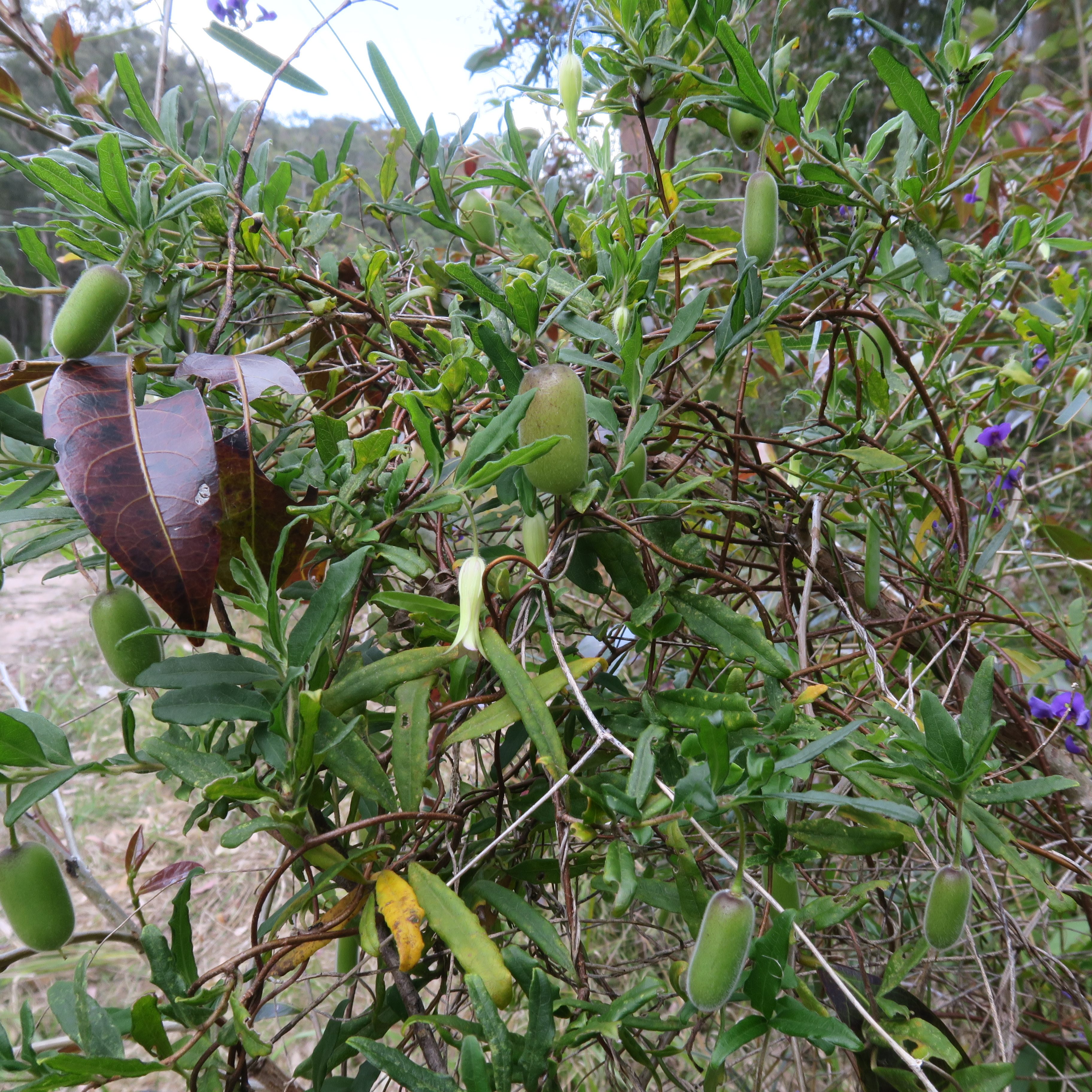
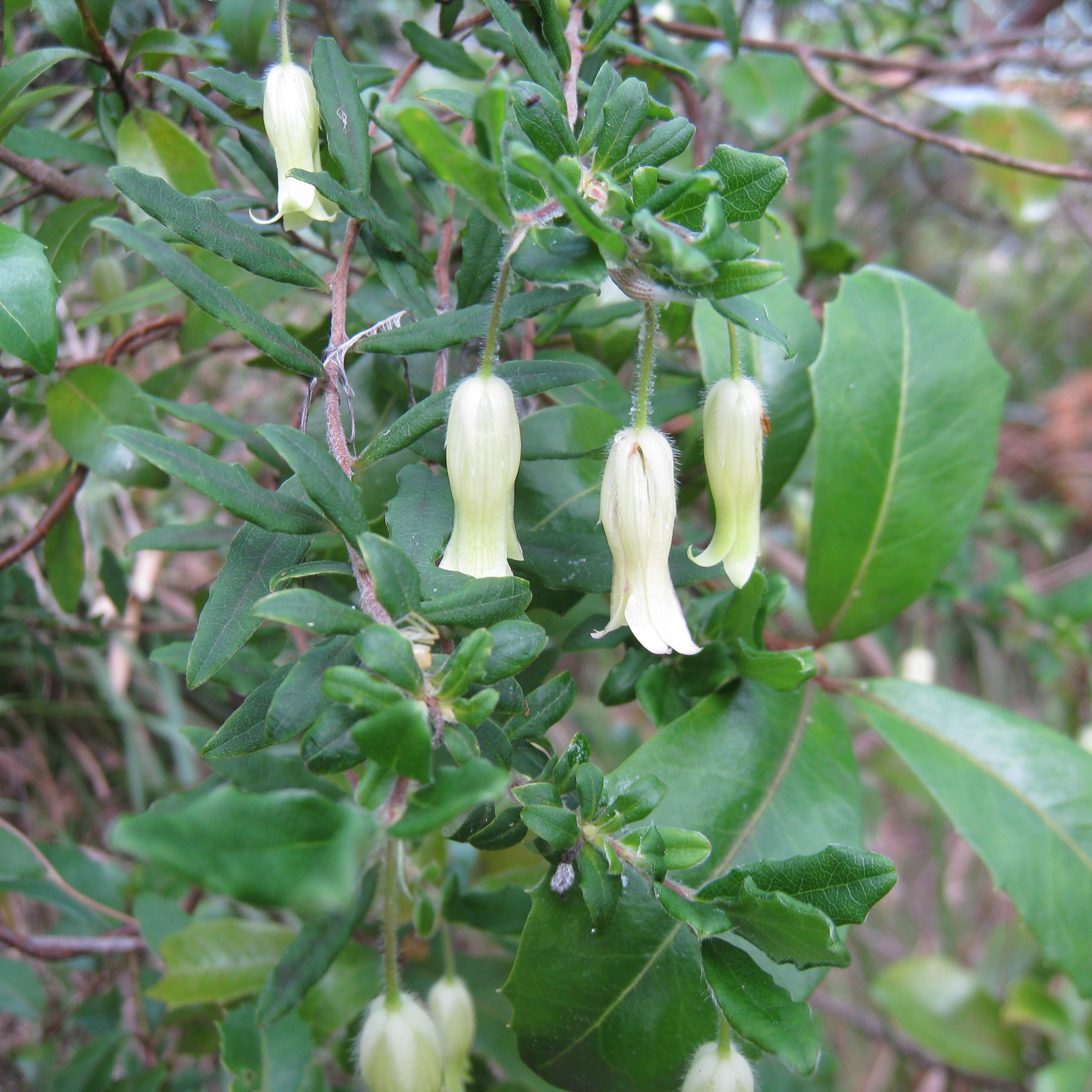
Well-suited to gardens across Australia’s temperate and subtropical climates, the Apple Berry is a hardy, adaptable plant that produces delicious bush tucker. Apple Berry is a traditional bush tucker plant that has long been enjoyed across its broad native range. The fully ripened summer fruits have a pleasant, mildly tangy flavour, often compared to Kiwifruit or stewed Apple. The plump, oblong berries turn green to yellowish or purple when ripe and resemble a Finger Lime in shape, though their slightly hairy skin is more like that of a Peach. The fruit is most commonly eaten fresh when fully ripe, though it can likely be used in a variety of other ways — such as in jams, sauces, or pies. Tough and adaptable, the Apple Berry grows across a wide variety of habitats throughout Victoria, New South Wales and southern Queensland. It thrives in environments such as coastal heaths, grassy and shrubby woodlands, inland Mallee, and open eucalypt forests, from coastal regions to higher altitudes. This makes it one of the most versatile native plants to cultivate. The Apple Berry is found in climates ranging from coastal subtropics to temperate mountain forests, and is naturally tolerant of a broad range of temperatures. It has been reported to withstand snow and temperatures as low as -7°C. As long as it has adequate drainage, the Apple Berry is a great example of a hardy native. It performs well in difficult soils, including clay, granite and sandstone, even in dry and nutrient-poor conditions. Unlike many fruit trees, it does not require rich loam and is tolerant of a wide range of soil pH levels, from acidic to alkaline. Apple Berry has even been observed growing successfully beneath Eucalyptus trees, which is a challenging location for most fruiting plants. This is due to the partially allelopathic nature of many Eucalypts, their heavy shade throughout the year, and their high demand for water and nutrients. The plant naturally occurs in a variety of light conditions, from deep shade to full sun. In shady areas, it remains healthy but tends to have sparse foliage. In full sun, it develops a denser, more vigorous growth habit. For gardeners looking to screen or cover an unsightly feature, full sun is the better choice. Maintenance is minimal, usually limited to an occasional light prune. Apple Berry is a versatile plant that can take on a range of forms, growing as an upright shrub, a slender climbing vine, or a scrambling groundcover. When given a trellis or support, it will naturally climb and twine. Without support, it forms an attractive groundcover, ideal for challenging spots such as beneath established gum trees, where shade is constant and nutrients and water are limited. Thanks to its compact size and hardiness, Apple Berry is well-suited to container growing. It also makes an excellent filler for small gaps in the garden, as it will gently scramble over neighbouring plants without smothering or overtaking them. The narrow, elliptical evergreen leaves are soft and downy to the touch, and particularly attractive when the plant is in dense growth. In spring, nectar-rich, bell-shaped flowers appear in pale yellow to soft pink tones. These flowers take around three months to develop into fleshy, finger-shaped fruits. The flowers are known to attract nectar-feeding birds, such as honeyeaters, which assist with pollination as they feed.
Where to Purchase – Online Nurseries (Australia Only)
Nursery
Apple Berry – No known sellers, if you’re an online nursery selling this product get in contact!
Please reach out to us (Contact & Socials) if you come across any broken links, incorrect details, or if you represent an online nursery that sells the products mentioned above.

 Hortiforum