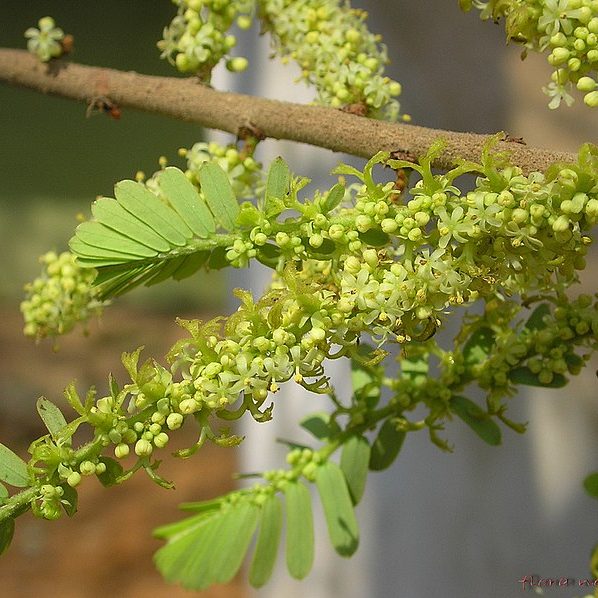
Widely cultivated and cherished throughout the Indian Subcontinent, the Amla tree yields tart, gooseberry-like fruits renowned for their medicinal and culinary applications. The small, light green berries bear a striking resemblance to the European Gooseberry, earning it the alternative name of Indian Gooseberry. Amla fruits are deeply acidic and astringent when consumed on their own, but transform into a delightful sweet flavour when processed with sugar for drinks and desserts. Candied Amla fruits in sugar syrup are particularly popular as a sweet dish. With a notably high pectin content, Amla fruits prove excellent for chutneys and preserves. Amla stands out as an exceptionally rich source of Vitamin C, and its dried fruits are used in crafting Amla Oil, a natural hair conditioner. Native to the Tropics of Southern Asia, the Amla flourishes in climates ranging from semi-arid to monsoonal. Particularly robust in drier, less fertile soils of semi-arid regions, the Amla tree benefits from minor supplemental watering in such conditions. While trees can exhibit partial deciduousness in winter, they generally prefer a full sun position and require good drainage, with other soil preferences being minimal. The Amla boasts a distinctive and highly attractive appearance, owing to its unique foliage, especially when young. The tiny, oblong leaves densely line stalks in an alternating fashion, resembling the foliage of a Jacaranda (although not pinnate), lending a unique foliar charm to any garden. With the potential to reach heights of up to 30m, featuring arching branches and an irregular form it can become a magnificent figure. The Amla is a relative of the Star Gooseberry, sharing a similar overall shape. Growing Amla provides an opportunity to cultivate an intriguing South Asian fruit distinguished by its appealing form and adaptability to harsh conditions.
Please reach out to us (Contact & Socials) if you come across any broken links, incorrect details, or if you represent an online nursery that sells the products mentioned above.


 Hortiforum